If your plants are growing in a pot or container, you need potting soil. Here are our picks for the best potting soil for every type of plant, from tomatoes to succulents.
Our editors and experts handpick every product we feature. We may earn a commission from your purchases.Learn more.
Typically, topsoil is what you already have in your yard, or you might purchase some to fill a large lawn or landscaping area. Topsoil can be of any quality — sandy and low on organic ingredients, or extremely rich in organic matter derived from dead leaves, vegetation and animals. Garden soil is what’s known as a “soil amendment;” it’s mixed with topsoil to enrich the latter and create a better growing environment.
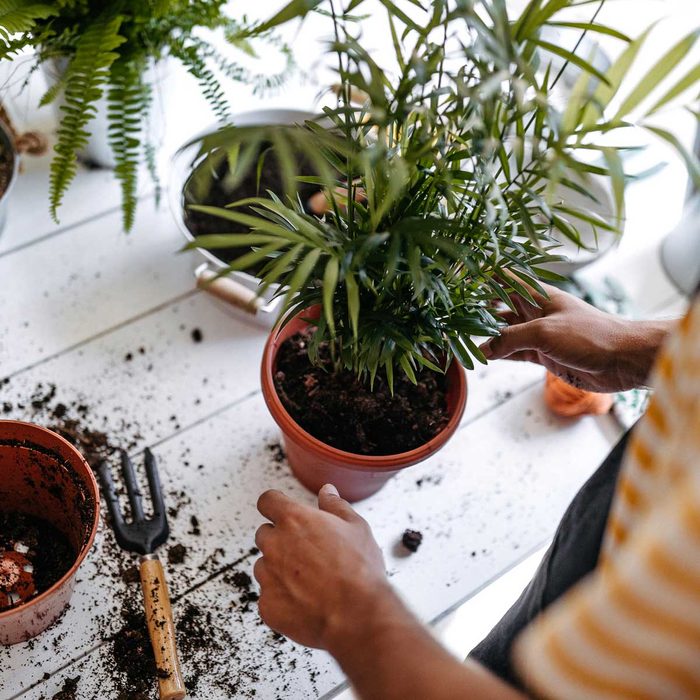
Potting soil, as its name suggests, is for potted plants or plants grown in containers. It’s formulated to create a chemically balanced, aerated, well-drained habitat for plants that will spend all or most of their lives in containers. For all potted and container plants, be they indoors or out, potting soil is a must.
All-purpose soil suitable for indoor and outdoor plants, vegetables, herbs, annuals, and perennials
Cons:
It's more expensive than non-organic varieties
Some buyers complained that their bags of soil had mold or mites
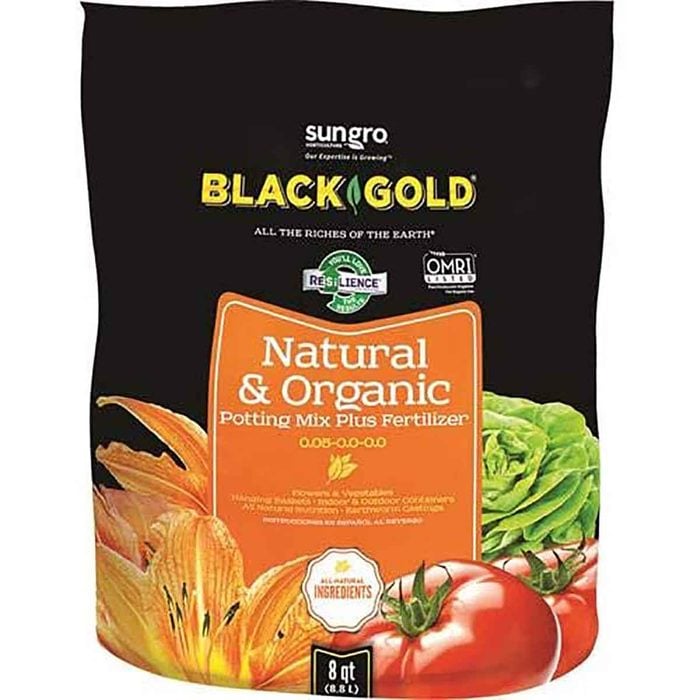
“The potting soil did all the work,” writes one satisfied home gardener on Amazon. The proof is in the results. Black Gold All Organic Potting Soil has won fans due to how quickly they’ve seen seeds sprout and droopy plants revived once transplanted to this loamy soil.
We like that the soil composition varies depending on what region of the U.S. you’re in. So you’re most likely to get a soil with regionally sourced organic ingredients, which cuts down on the product’s carbon footprint. Check if you can reuse potting soil.
On Sale
VIA MERCHANT
Best for Succulents
The Valley Garden Potting Mix
Pros:
Organic formula specially mixed for succulent success
Multi-purpose soil works for other plant types like cactus
Cons:
Biggish price for a small bag
Some reviewers say the soil smells
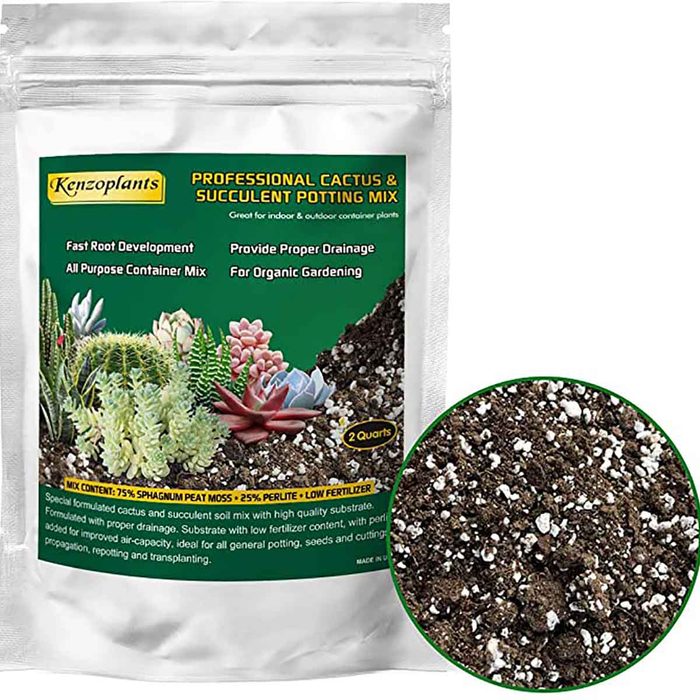
Succulents need well-drained soil to thrive. Regular potting soil can hold too much moisture for succulents. The Valley Garden potting mix is made with just two ingredients: 75 percent substrate and 25 percent perlite. That means it will keep even the most delicate succulents well-aerated.
Amazon users report their withered-looking succulents sprang back in no time, and the soil works well for leaf propagation, too.
VIA MERCHANT
Best for Indoor Plants
Miracle-Gro Indoor Potting Mix
Pros:
Specially formulated to not draw gnats
Contains coconut fiber, which efficiently absorbs and distributes water
Cons:
Product is not organic and contains chemical fertilizer
Some users reported mold after planting with this soil
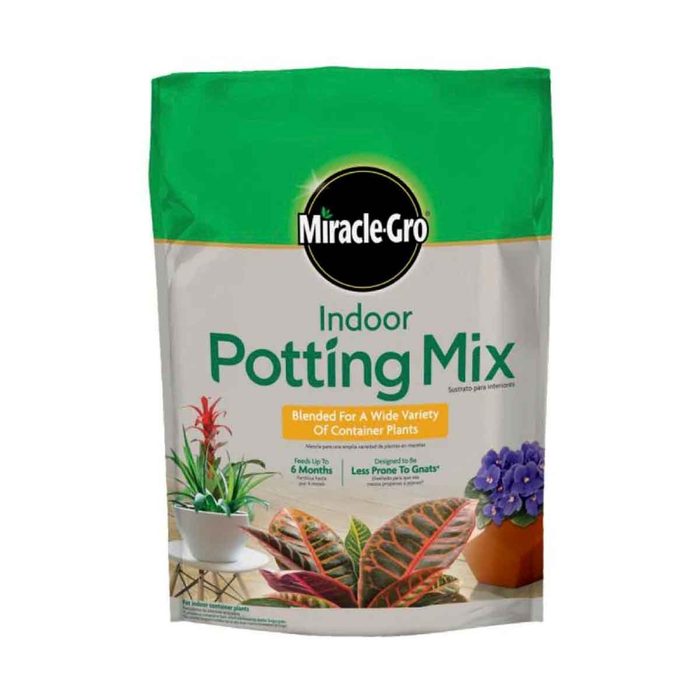
Indoor plants need loose, well-drained soil, especially if they’re in indirect sunlight. Miracle-Gro Indoor Potting Mix is our top choice for indoor plants. The non-bark, non-compost formula is fast-draining. It also won’t hold water and attract gnats. The Home Depot users report a difference in their indoor plants’ health within days of switching to this soil.
VIA MERCHANT
Best for Flowers
Proven Winners Premium All Purpose Potting Soil
Pros:
Formulated for outdoor plants but suitable for indoor potted plants as well
Lightweight and loamy blend
Cons:
Only recommended for mature plants, not seeds
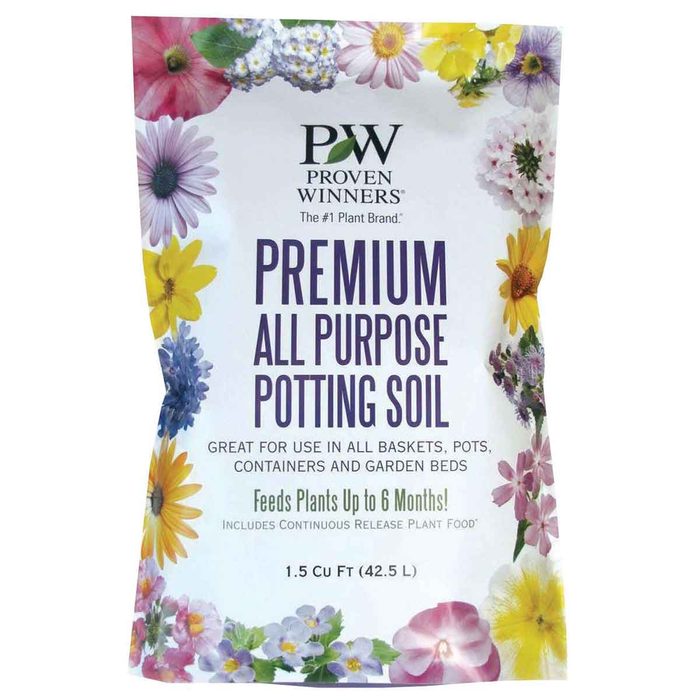
Whether they’re in pots or hanging baskets, in containers or raised beds, most flowering plants do well with an all-purpose soil that contains a balanced mix of sphagnum peat moss, pine bark and vermiculite or perlite.
An all-purpose soil that's great for tomatoes but suitable for most other container plants
Good value for price ratio
Cons:
Some users report the soil's pH is not consistent
Foxfarm customer service can be spotty, so you might wish to find a third-party retailer
Tomato plants are hungry, and tomatoes grown in containers suck up a lot of nutrients from the soil as they grow. That’s why even in big containers, potted tomatoes need nutrient-rich potting soil rather than garden soil or topsoil.
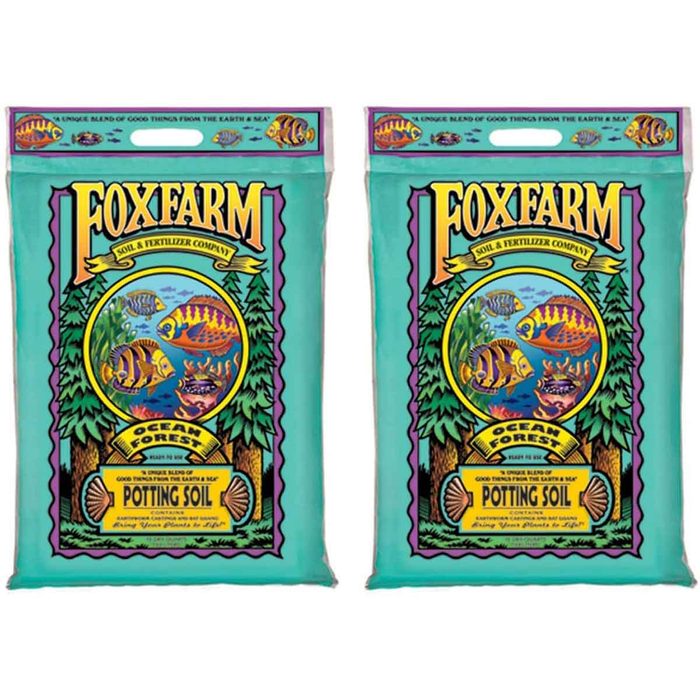
Foxfarm Ocean Forest Potting Soil Blend is an all-purpose soil for potted and container plants. It’s well-suited to tomatoes thanks to its balanced pH and compost-like mix of earthworm castings, bat guano, fish and crab meal and other organic ingredients. Amazon users report their tomatoes and other nightshades love this mix.
VIA MERCHANT
Best for Vegetables
Espoma Organic Raised Bed Mix
Pros:
Good for live plants or for starting seeds
Contains organic fertilizer
Cons:
Hard to find; it's mostly sold at specialty garden centers
Expensive for larger vegetable beds that require a lot of soil
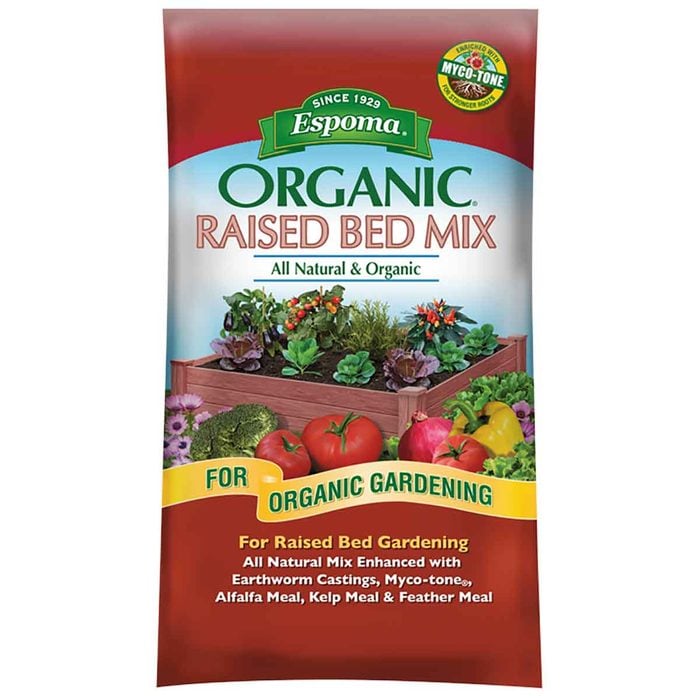
Vegetable plants need to drink a lot of water and nutrients to give plump, abundant produce. We like the Espoma Raised Bed Mix because it’s specially formulated with Espoma’s proprietary Myco-tone mycorrhizae, beneficial fungi that enhance water and nutrient absorption and help grow stronger roots.
VIA MERCHANT
Best for African Violets
Miracle-Gro African Violet Potting Mix
Pros:
Inexpensive compared to many other brands
Contains fertilizer
Cons:
Some experts say the mix is still too dense and needs peat moss and vermiculite or perlite added to lighten it up
A handful of reviewers complained of mold or gnats in their newly-opened bags
African violets are delicate and extremely sensitive to soil changes. They need loose, airy soil and need to be repotted every three months without a change in soil type, unless they don’t appear to be thriving.
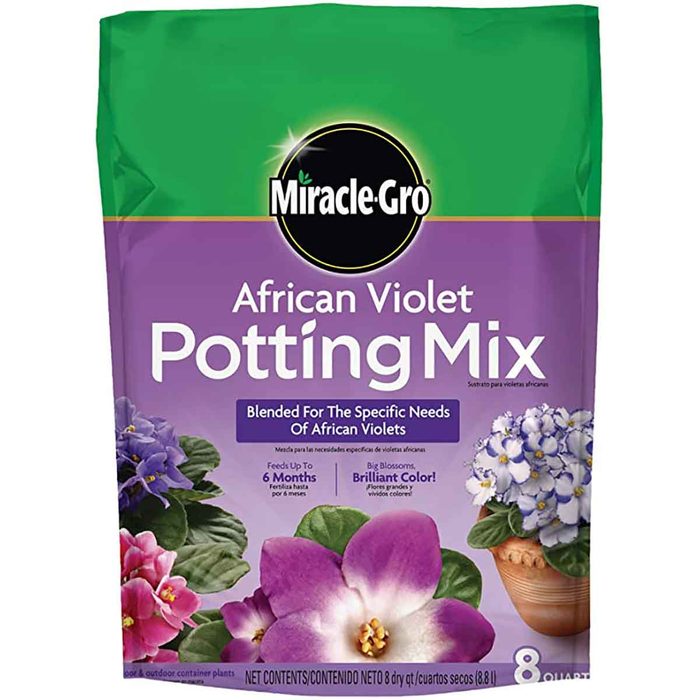
Miracle-Gro African Violet Potting Mix is a good choice for African violet novices who don’t want to mix soil themselves. Amazon users rave about abundant blooms on their violets after introducing this soil mix.
VIA MERCHANT
Best for Orchids
Better-Gro Special Orchid Mix
Pros:
Non-compacting soil is the ideal environment for orchids
Resealable bag keeps soil fresh
Affordable 4-quart bag
Cons:
Some chunks can be too large
Better-Gro Special Orchid Mix is the ideal potting solution for cultivating vibrant and healthy orchids. Packaged in a convenient 4-quart resealable bag, this multipurpose mix is expertly formulated for Cattleyas, Phalaenopsis, Dendrobiums, Paphiopedilums, Oncidiums, and all epiphytic orchids. Crafted by skilled orchid growers, it combines western fir bark, hardwood charcoal, and sponge rock to promote optimal drainage and root ventilation.
via ti-ja/getty images
What to Look for When Buying Potting Soil
Most potting soil is packaged in sealed bags, so you probably won’t get to run your hands through it first. But here are a few things to look for:
The bags should feel soft, like the soil isn’t too damp or tightly packed, nor so lightweight that it’s dried out.
Ingredients should include a mix of peat moss, ground pine bark, and perlite or vermiculite. These latter two make the soil lighter and provide aeration.
Potting soil should contain a small amount of plant food or fertilizer. It may also contain limestone and a wetting agent to keep the moss and pine bark from drying out. Find out how much soil you need for your yard.
How to Store Potting Soil
Open bags of potting soil can be stored as they are or in sealed plastic containers for about six months. Opened bags of soil should be taped shut. If unopened and stored in a cool, dry place, bags of potting soil will stay good for up to two years. If your older soil smells bad or shows signs of mold or gnats, it’s time to dispose of it and start fresh.
We are no longer supporting IE (Internet Explorer) as we strive to provide site experiences for browsers that support new web standards and security practices.