


You can hit the ground running in the spring with these tips.
10 Tips for Growing Plants From Seed
1
/
10
Order Seeds Early
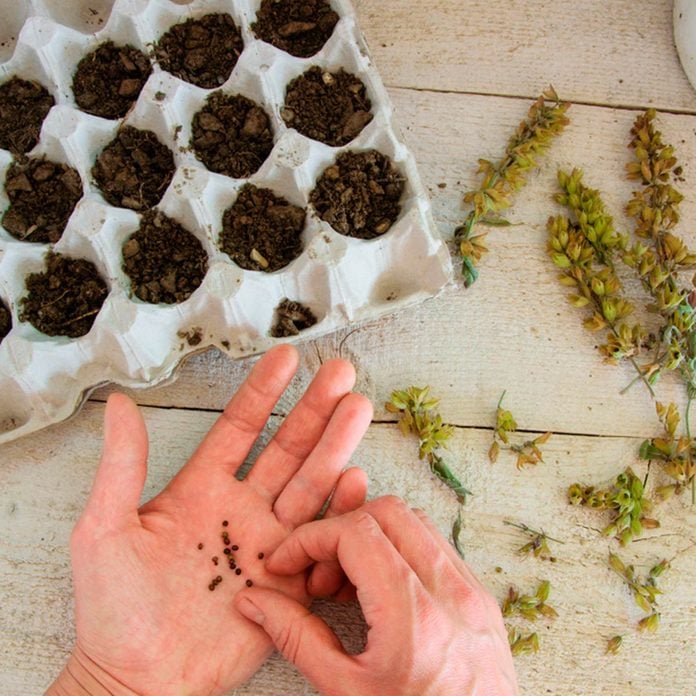
Seed companies get busy in winter and early spring as they fill orders on a first-come, first-serve basis. So if you want the best selection, order seeds early. Or, learn how to collect and store seeds from your garden. Find out why an egg carton is a great way to start your seeds indoors.
2
/
10

Warm and Draft-Free
If starting seeds indoors, grow in an area that’s out of the way of household traffic. Try to set them in a spot that’s warm and draft-free.
3
/
10

Place Your Seed Containers on Top of a Radiator
The top of the refrigerator is an excellent place to sprout seeds because it generates warmth. You could even place your seed containers on top of a radiator, so long as it’s not too hot and the heat is consistent. You can always try to cover an ugly radiator with one of these 12 brilliant ideas.
4
/
10

Artificial, Fluorescent Light
Seedlings started indoors require between 12 and 16 hours of light per day. Artificial, fluorescent light is best, and a timer will help you regulate the amount of light your seedlings receive. If you’d like to keep some plants indoors, here are the 10 plants that are almost impossible to kill.
5
/
10
Don’t Sow Too Many Seeds
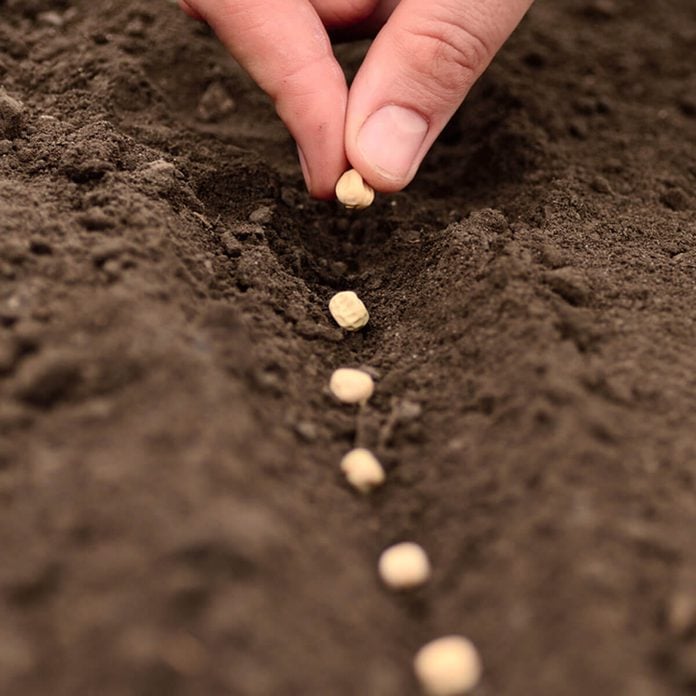
This can lead to a forest of seedlings that grow too thickly for you to thin without damaging them. Make little furrows if you’re using flats, spacing seeds up to an inch apart (closer if they are tiny seeds). Discover 9 beautiful butterfly flowers to grow from seeds.
6
/
10

Make Sure Planting Mix Does Not Dry Out
The best way to keep seedlings consistently moist is to cover the flat loosely with plastic. Some gardeners prefer bottom watering. Set the container in a few inches of water (in the sink or a tray) and let it wick up the water it needs. As warmer weather approaches, here are the 12 things you can do in the garden now.
7
/
10

Snip Snip
When the first true leaves appear, use sharp scissors to snip some of the weaker seedlings at soil level. The seedlings you leave gain better air circulation, and their roots won’t have to compete for precious nutritional resources.
8
/
10

Fertilize
Fertilize developing seedlings with a diluted, half-strength flowering houseplant fertilizer every week or so until you begin “hardening off” outdoors. Proper care means more robust plants. Learn these 14 tips to keep plants going indoors during the winter.
9
/
10

Gradually Increase Light
When seedlings are well rooted, harden off transplants two weeks before moving them into their permanent location outdoors. Set pots and flats in a sheltered spot (under a tree, on the porch) and gradually increase light received for a week or so—bring them in at night or cover them if frost is predicted.
10
/
10

Check the Soil First
When planting seeds (or seedlings) outdoors, it’s important to check the soil first. Just scoop up a handful and squeeze it. If it’s wet and soggy, wait a bit longer. If it crumbles in your hand, it’s time. Check out this awesome soil-metering device and other high tech items you’ll want to add.
