

When you plant a rain garden, you do your part for the environment, filtering runoff and protecting groundwater. Pick the right plants and you're also rewarded with a beautiful garden!
10 Best Plants for a Rain Garden
1
/
10
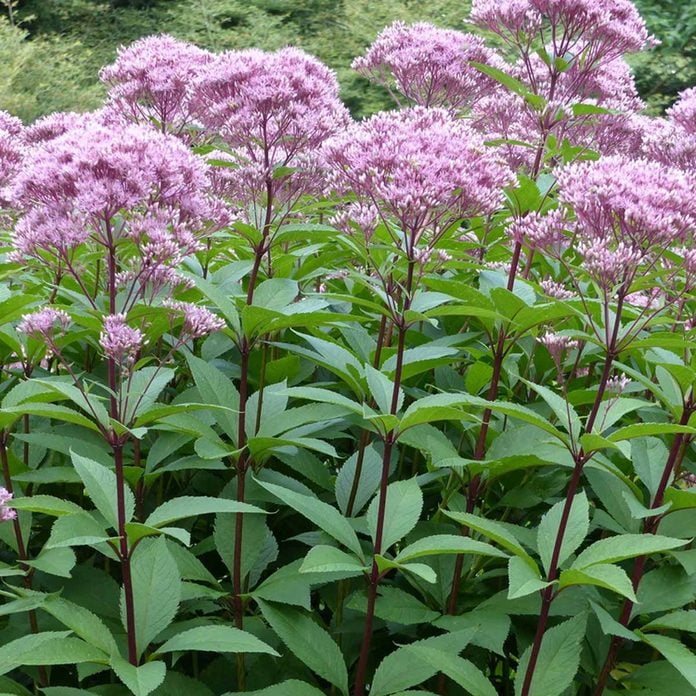
Tall Joe-Pye Weed
Tall Joe-Pye weed (Eupatorium fistulosum or Eutrochium fistulosum) grows 8 feet tall or more, adding architectural interest and structure to a rain garden. At that height, it’s not apt to be overlooked. That also goes for butterflies and honeybees, which flock to the domed lavender-pink flower clusters for late-season sustenance. Native to wet meadows, it grows best in rich, moist soil but also survives on drier sites. It takes full sun to part shade and is hardy in Zones 4–8.
2
/
10
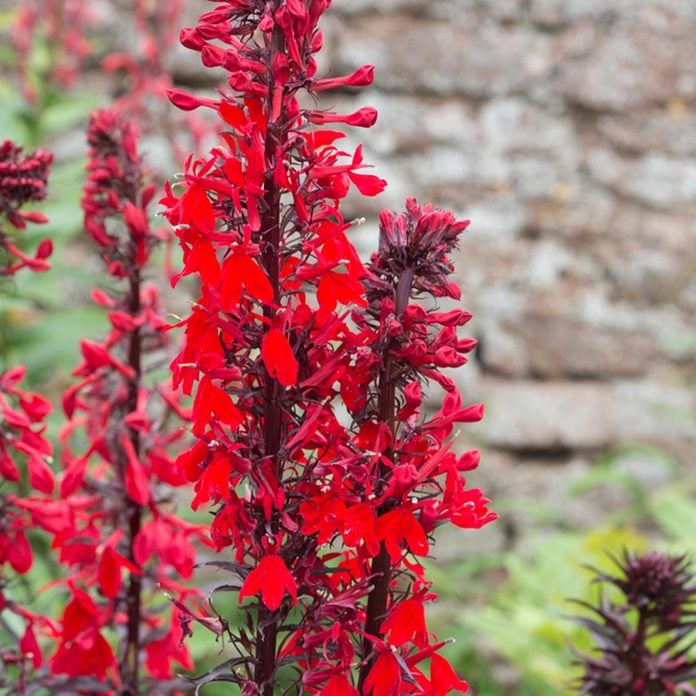
Cardinal Flower
Cardinal flower (Lobelia cardinalis) provides another late-summer snack for pollinators—including hummingbirds—when the large, tubular cardinal-red flowers appear. The vivid blooms are hard to miss in any setting. This rain garden plant prefers constantly moist soil and full sun, although some afternoon shade won’t hurt in the hottest climates. Cardinal flower grows 2 to 4 feet tall and is hardy in Zones 3–9.
3
/
10
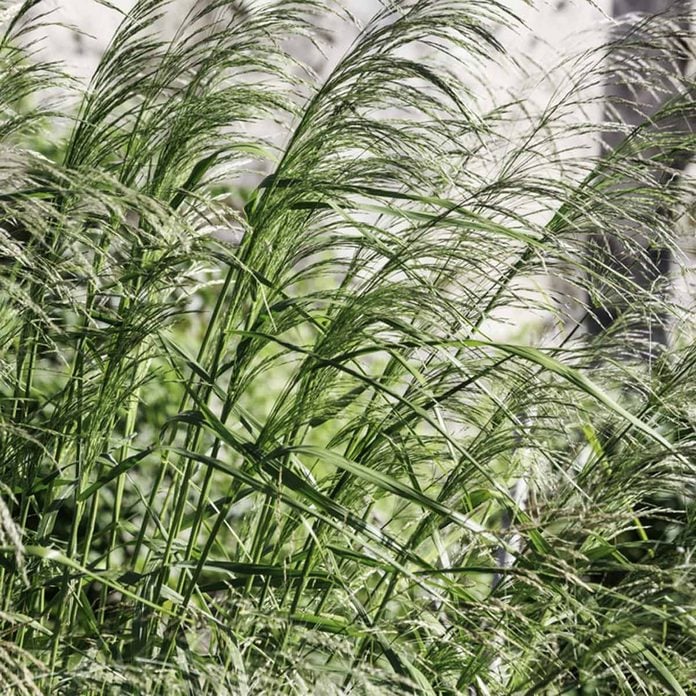
Switchgrass
Switchgrass (Panicum virgatum) is adaptable enough to grow in normal soil or the moist soil of a rain garden. The attractive green foliage reaches about 3 feet tall, turning yellow in fall and buff in winter. In midsummer, pink-tinged flower panicles raise the height to 5 or 6 feet. The finely textured flowers persist through fall and also provide winter interest (and food for songbirds). Switchgrass prefers full sun and is hardy in Zones 5–9.
Here are some other ornamental grasses you should get to know.
4
/
10
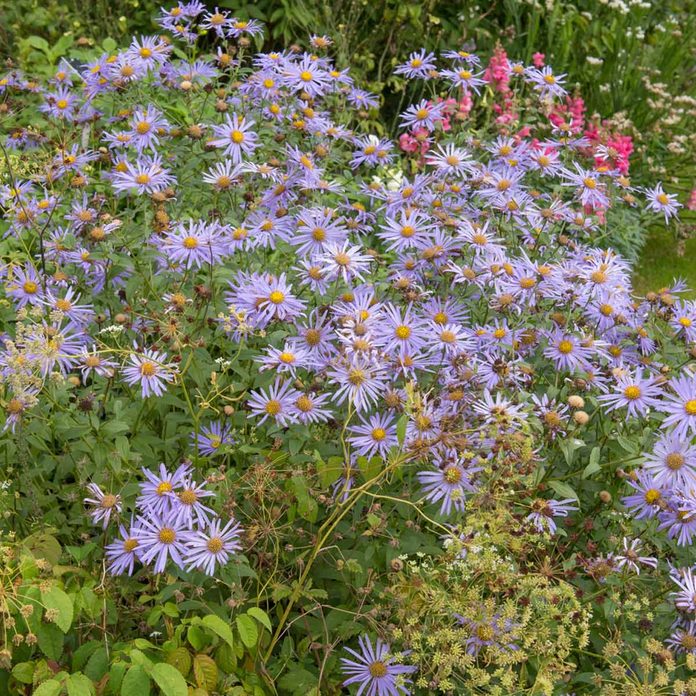
New England Aster
A harbinger of fall, New England aster is beloved for the pink, purple and blue daisy-like flowers that appear in late summer. Growing up to 6 feet tall, you can either stake it or trim it back a few times earlier in the year to keep this rain garden plant from flopping. It also makes a good cut-flower. New England aster is an important late-season nectar source for butterflies, especially Monarchs preparing to head south. It takes sun to part shade and is hardy in Zones 4–8.
5
/
10
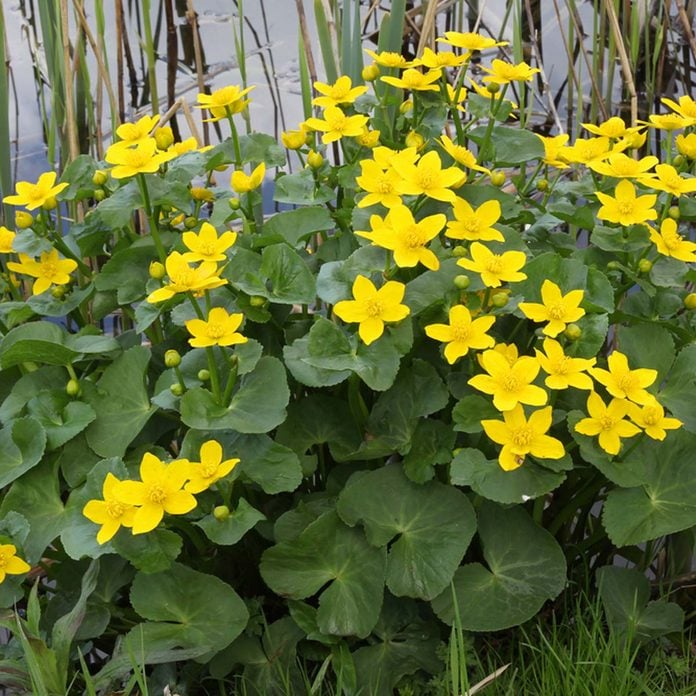
Marsh Marigold
The name marsh marigold (Caltha palustris) gets it halfway right: the plant does grow in marshes, but it’s not a marigold. Nor does it look like a marigold. The golden yellow flowers actually look more like buttercups. Along with the flowers, marsh marigold features unique, rounded kidney-shape leaves and curved seedpods that look like the points on a fool’s hat worn by medieval jesters. Marsh marigold grows 1 to 1-1/2 feet tall and blooms in mid to late spring. It takes full sun to part shade and is hardy in Zones 3–7.
6
/
10
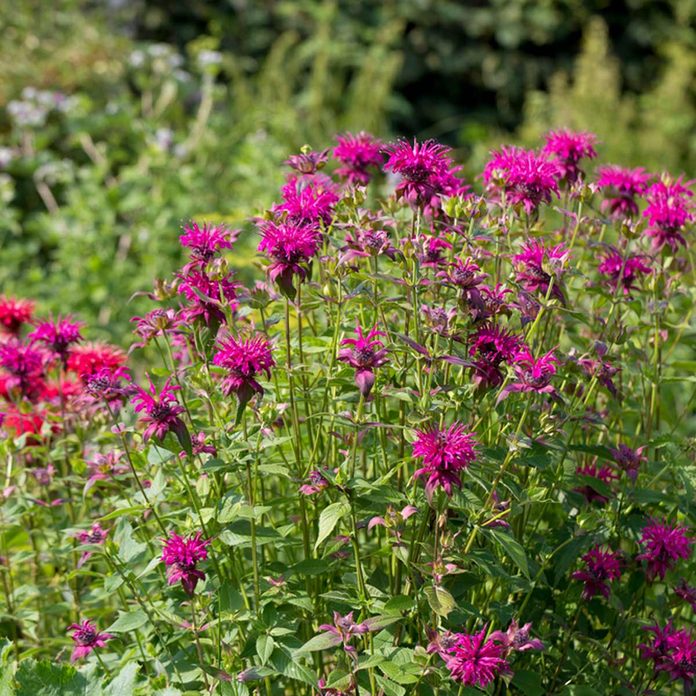
Scarlet Bee Balm
Scarlet bee balm (Monarda didyma), or wild bergamot, is a big draw for hummingbirds, butterflies, bees—and people. Gardeners love the bright scarlet-red flowers and the long bloom season—up to two months in summer—not to mention the fragrant foliage. Commonly found in bottomlands and along streambeds, scarlet bee balm is a natural for rain gardens. It grows 2 to 4 feet tall and resists rabbit and deer browsing. Scarlet bee balm takes full sun or part shade and is hardy in Zones 4–9.
7
/
10
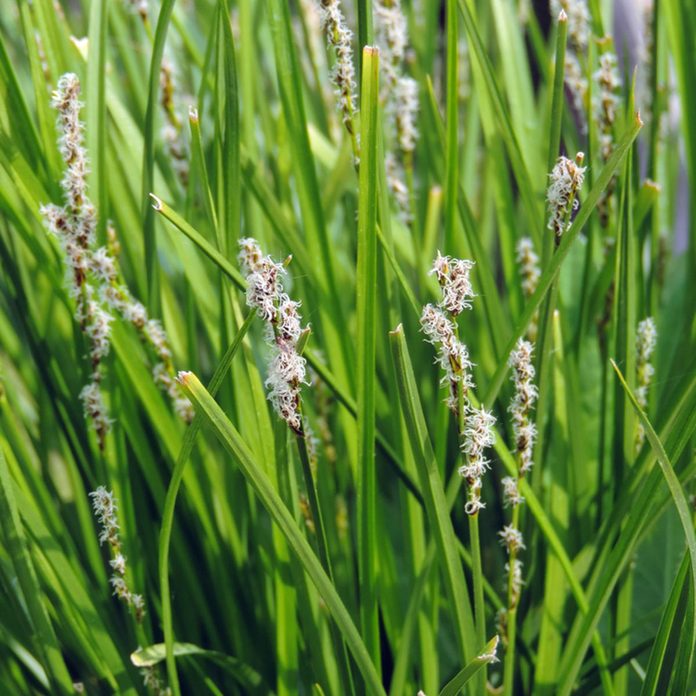
Spike Rush
Spike rush (Eleocharis palustris) can grow in either standing water or in medium-wet soil, so it’s right at home edging a pond, by a gutter downspout or in a rain garden. It grows 2 to 4 feet tall and forms dense mats of grassy foliage. In summer, it features white and brown flower spikes. Spike rush prefers full sun and is hardy in Zones 3–8.
8
/
10
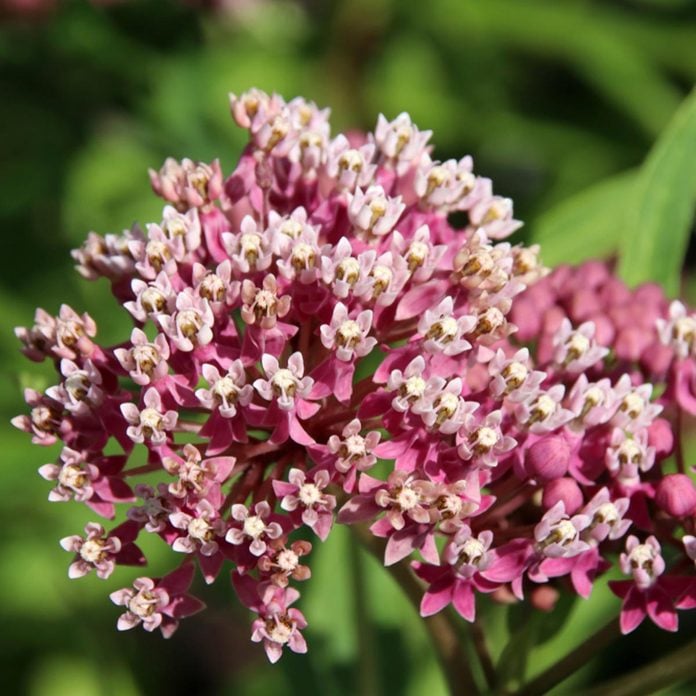
Swamp Milkweed
As the name suggests, swamp milkweed (Asclepias incarnata) is found growing naturally in swamps and wet meadows. But with a deep taproot, it’s surprisingly resilient in other soils as well. Clusters of pink to mauve flowers appear in late summer and attract their share of butterflies. Speaking of which, the foliage is an important food source for the larvae of monarch butterflies. Swamp milkweed takes full sun to part shade, typically growing 3 to 4 feet tall. This rain garden plant is hardy in Zones 3–6.
9
/
10
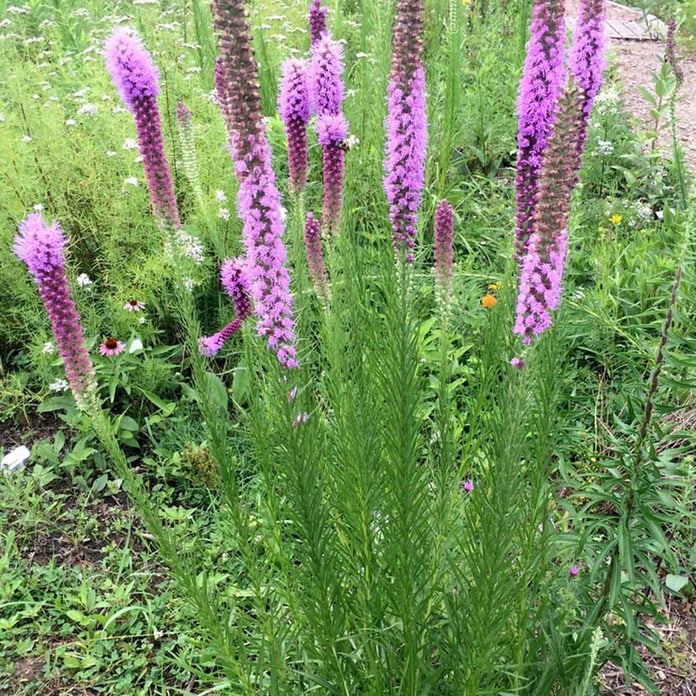
Prairie Blazing Star
Prairie blazing star (Liatris pycnostachya) is a tall, upright plant that packs a punch—literally. That’s because it grows in a clump and therefore corrals its bright pinkish-violet flower panicles for more oomph in your rain garden. The flowers appear in mid to late summer and make good cut-flowers. Prairie blazing star prefers full sun and is hardy in Zones 3–9.
10
/
10
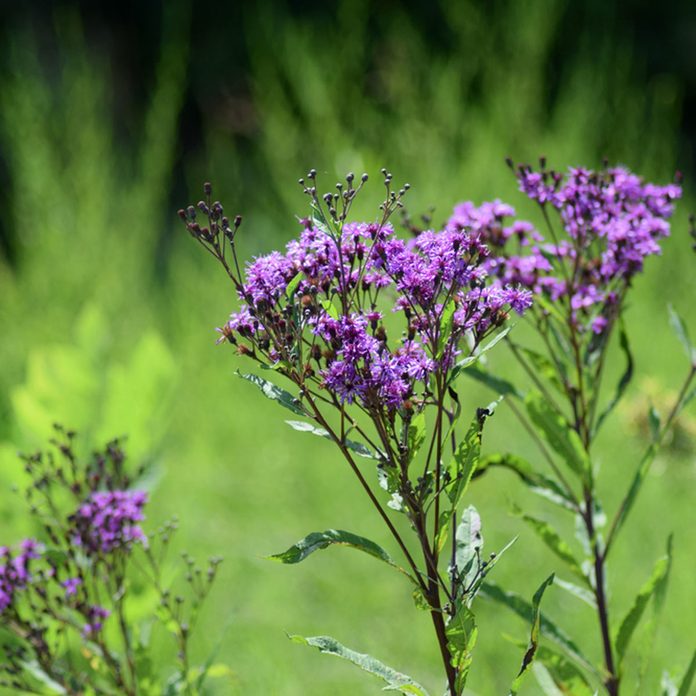
Prairie Ironweed
Prairie ironweed (Vernonia fasciculata) grows 4 to 6 feet tall and up to 3 feet wide. In mid to late summer, it is topped by purple flowers. They’re a magnet for pollinators—including hummingbirds—and their stiff stems make them useful as cut-flowers. Other ironweed species also make good rain garden plants. Prairie ironweed likes full sun and is hardy in Zones 3–7.
