

Welcome to hinge-town! Its residents are a unique bunch that solve your door-hanging dilemmas. Use this guide to meet them and learn when to use them.
Different Hinge Types and Where to Use Them

Updated Apr. 18, 2023
1
/
9
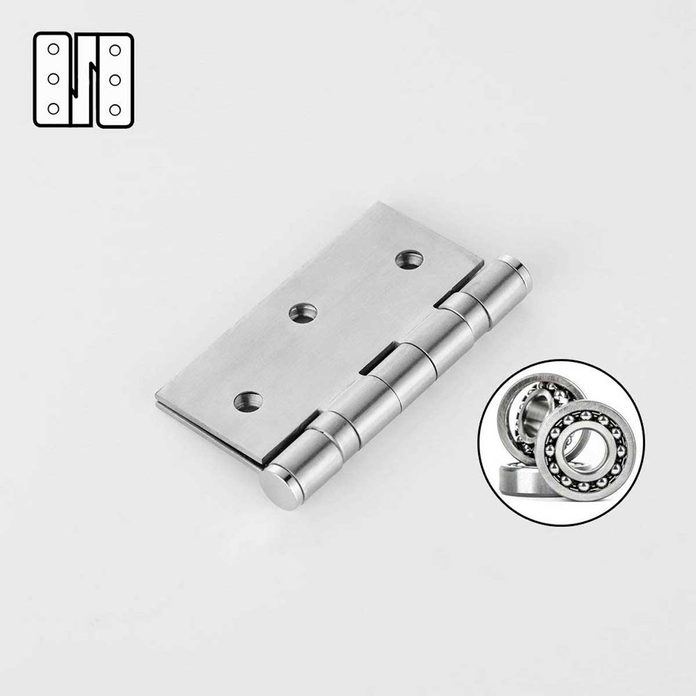
Ball Bearing Hinge
A type of butt hinge (see below), it has hidden bearings between the knuckles of the hinge, which reduce friction and help doors operate more smoothly. Ball bearing hinges are considered heavy-duty and durable, making them ideal for entry doors.
Get the hinge research rolling with our ball bearing hinge guide.
Watch this video for tips on how to fix sagging and sticking doors.
2
/
9
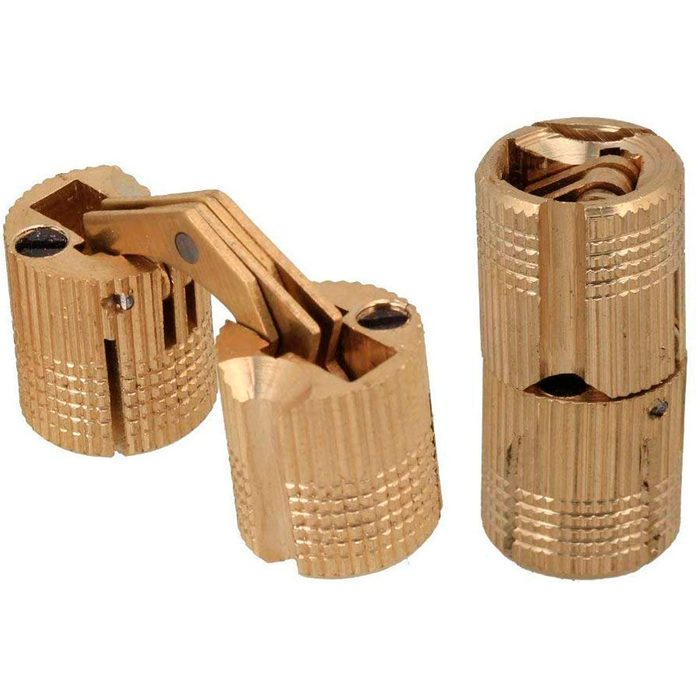
Barrel Hinge
Used for woodworking projects like small cabinets or jewelry boxes, these small barrel-shaped hinges typically are made of solid brass with brass links. (Barrel hinges aren’t recommended for vertical or load-bearing applications.) They’re invisible from either side and open to 180 degrees.
3
/
9
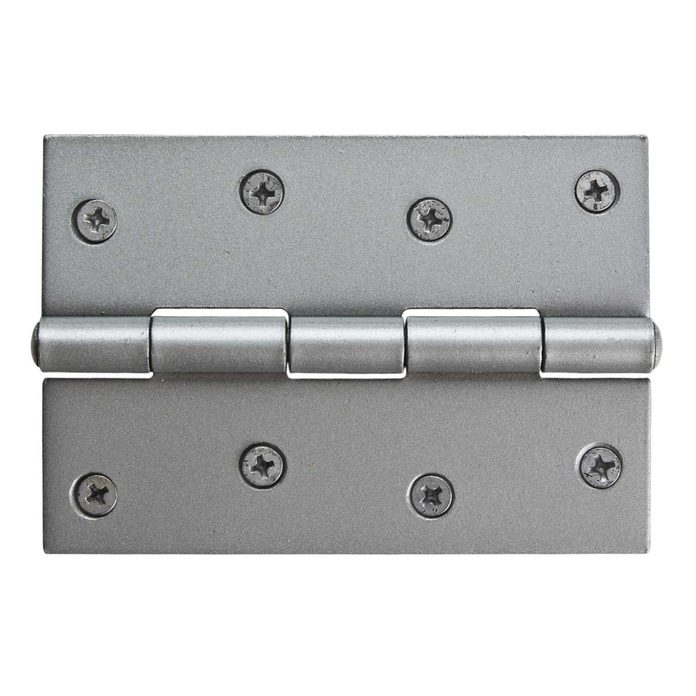
Butt Hinge
The most common hinge used on doors and cabinets, butt hinges have two rectangular-shaped leaves with knuckles in the middle, joined by a pin. There are several types: plain bearing, ball bearing (see above), spring-loaded and rising. Learn how to recess hinges on a door.
4
/
9
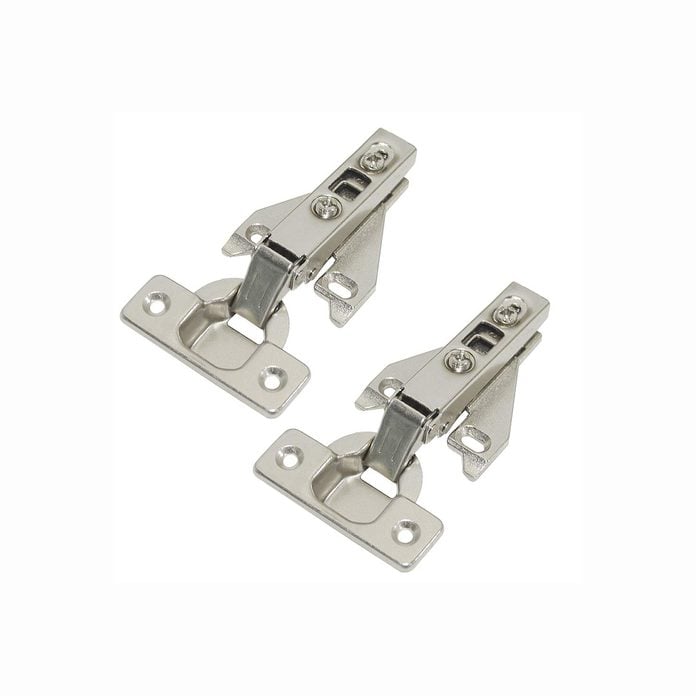
Concealed Hinge
Also called invisible, hidden and European hinges, concealed hinges are used on entry and interior doors, cabinets and furniture. They’ve been around for a long time. (Soss, a well-known brand, has been making them for more than 100 years.) Because they can’t be seen from the outside, they provide a smooth, uninterrupted appearance that’s aesthetically pleasing. And because they can’t be tampered with from the outside, they also provide security. European-style hinges can be adjusted to align doors after they’re installed. Choose invisible hinges when you want more modern looking cabinets, furniture and doors.
5
/
9

Heavy-Duty Hinge
It’s designed to provide support and stability for heavy doors (including entry doors, gates or furniture lids, such as trunks and benches) and frequently-used doors. Ball bearing hinges, concealed hinges and piano hinges all come in heavy-duty versions.
6
/
9
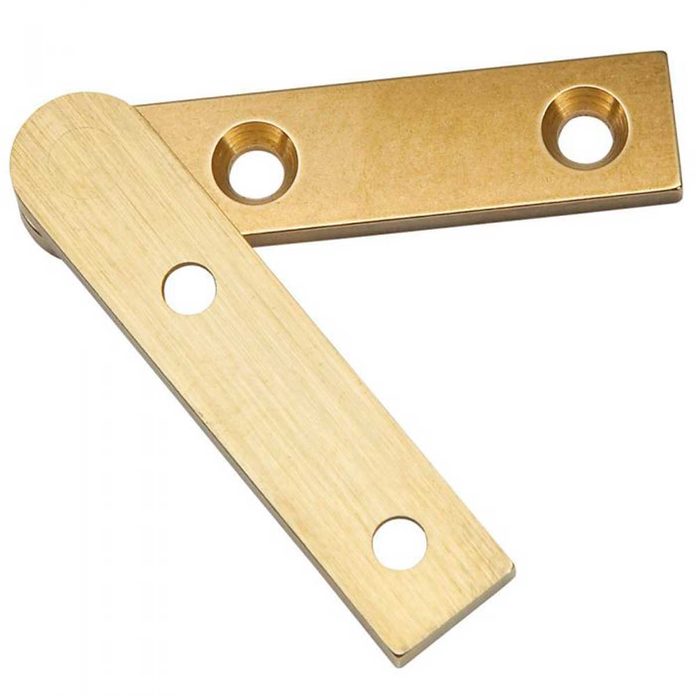
Knife Hinge
It’s shaped like a scissor, with the two parts of the hinge (called leaves) connected at a pivot point, which why they’re also called pivot hinges. You’ll find knife hinges primarily in cabinets for overlay or inset doors. Once installed, they’re barely noticeable.
Cut to the chase with this knife hinge guide.
7
/
9
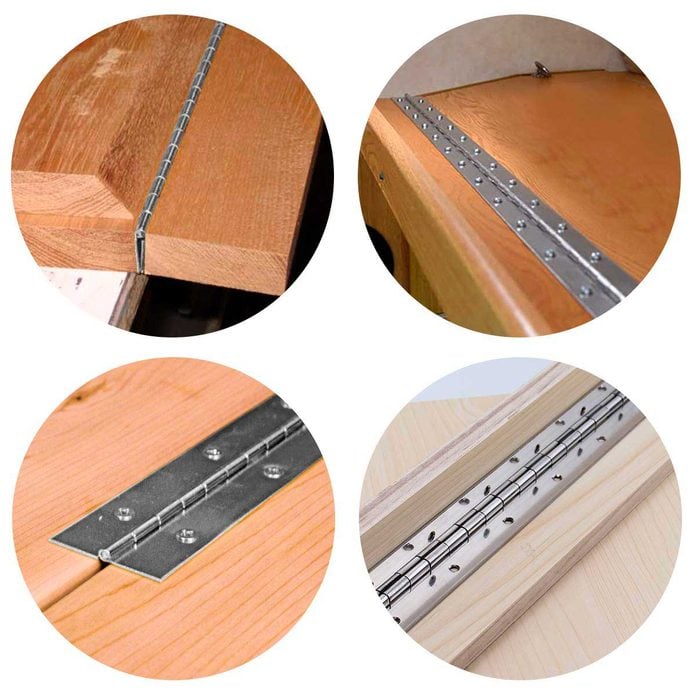
Piano Hinge
This is a continuous hinge (that’s what some people call them), with a central pin and same-sized leaves that run the length of whatever they’re attached to. The piano hinge got its name because it’s used on pianos, but it has many more applications. It’s also good for fold-down workbenches and desks, cabinet doors and storage boxes.
Learn why piano hinges should be on your playlist of woodworking hardware.
8
/
9
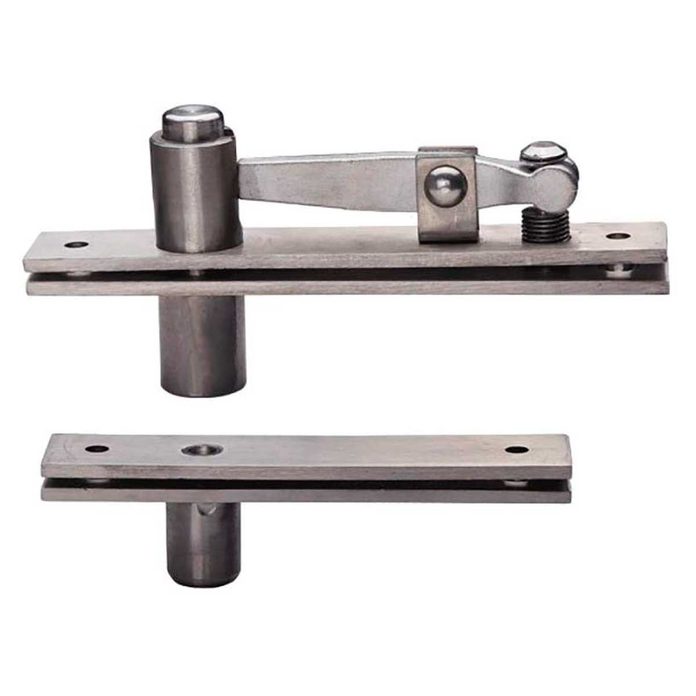
Pivot Hinge
Pivot hinges are installed at the top and bottom of a door, allowing it to swing from a single point. They can handle heavier doors than some other hinges. And because you can open pivot-hinged doors with a push, they’re an excellent choice in restaurants and homes for doorways between the kitchen and dining room.
9
/
9
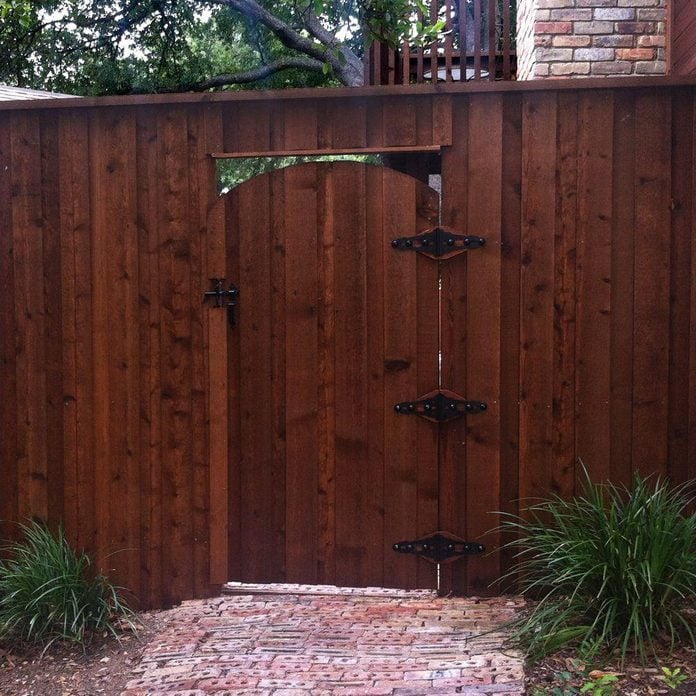
Strap Hinge
A strap hinge is distinguished its long, narrow leaves — sometimes one, often both. That provides extra stability in heavy-duty applications, so they’re frequently used outdoors on gates. They’re also popular indoors for cabinets when you want the hinge to be a design element.
Get the full story on strap hinges in this guide.
Originally Published: March 16, 2020

