

Even if you aren't a beekeeper, there are still plenty of reasons to encourage bees to inhabit your garden or yard. Bees are great for flower pollination, most aren't dangerous (unless their hive is threatened) and, hey, some people even like the sound of murmuring bees on a summer day. Regardless of your reasons for attracting these helpful insects to your yard, here are 10 bee friendly plants that will also beautify your landscape.
10 Bee Friendly Plants to Have in Your Yard
1
/
10
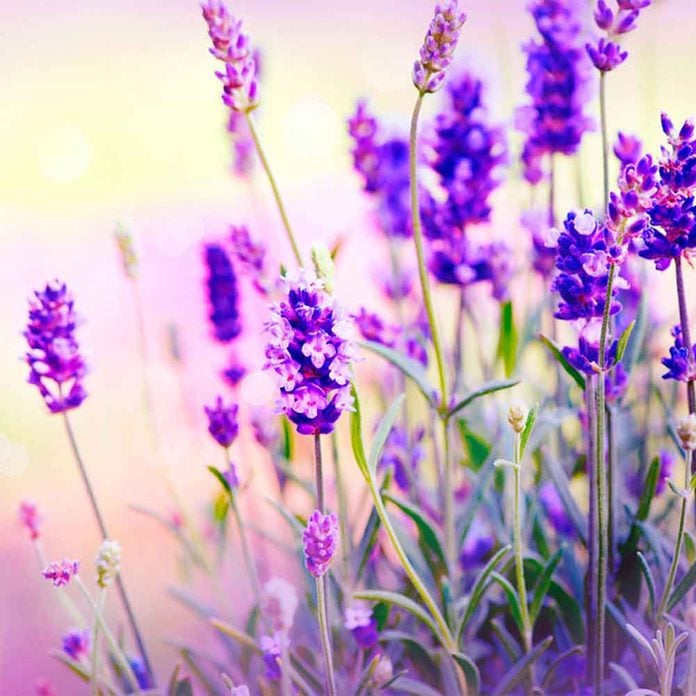
Plants for Bees: Lavender
If you ever wondered, does lavender attract bees, then you’ll be pleased to know it’s a great addition. Lavender is one of the most versatile plants on our list, ideal for gardens, pots, flowerbeds and anywhere else you want to include it. If you’ve grown lavender outdoors before, you know that it is popular among bees. If you want bigger, bushier lavender plants, then grow it in raised flower beds with good drainage—lavender hates heavy soils that stay wet for long periods of time. Here’s how you can also improve yard drainage.
2
/
10
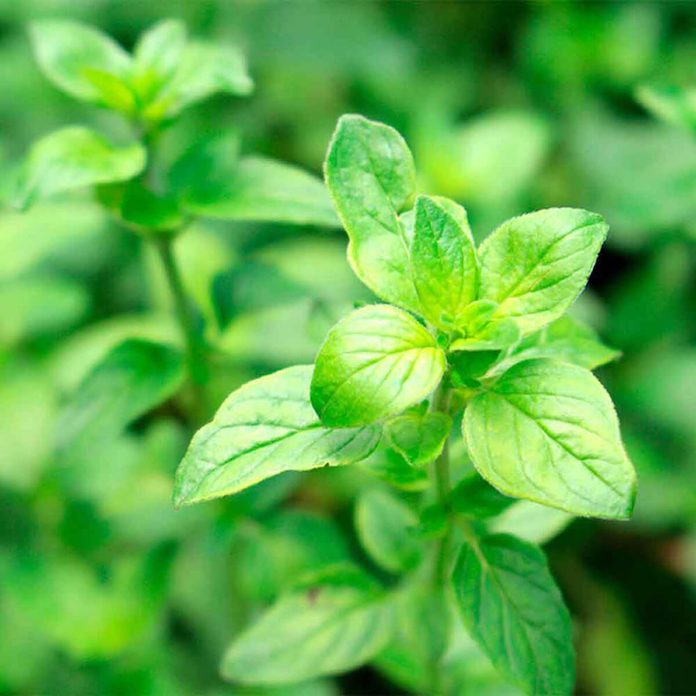
Plants for Bees: Oregano
As a general rule, common herbs like oregano, sage and basil are very attractive to bees when they flower. Oregano is best grown in a pot, where it is easy to control and harvest. Otherwise it can take over a flowerbed and grow into more of a problem than a useful herb. Keep it in well-drained soil and do not overwater. Here are some other incredible plants for container gardening.
3
/
10
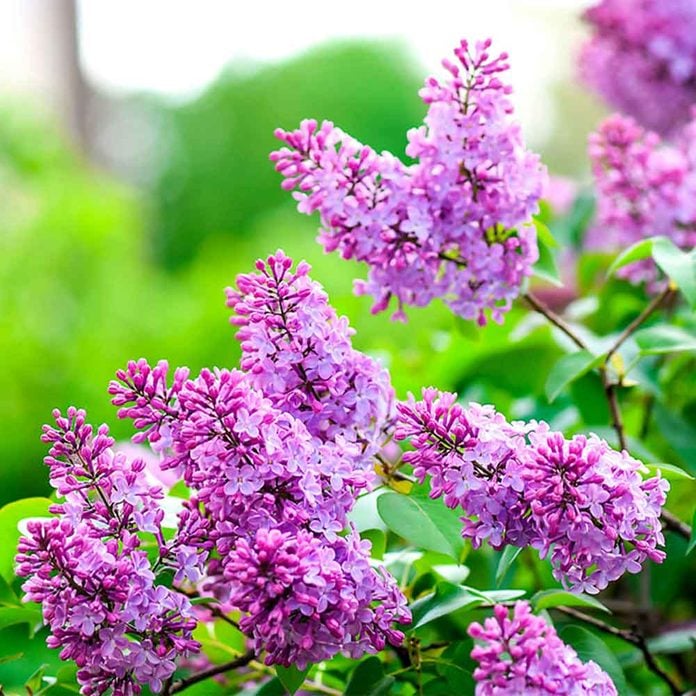
Plants for Bees: Lilacs
Beautiful, fragrant lilacs are always a good idea if you have the space—and it’s not hard to see why bees love them. Lilacs love well-drained soils and the sun, and they grow into large bushes over time, so leave plenty of space for these bee friendly plants to grow when starting your garden.
4
/
10
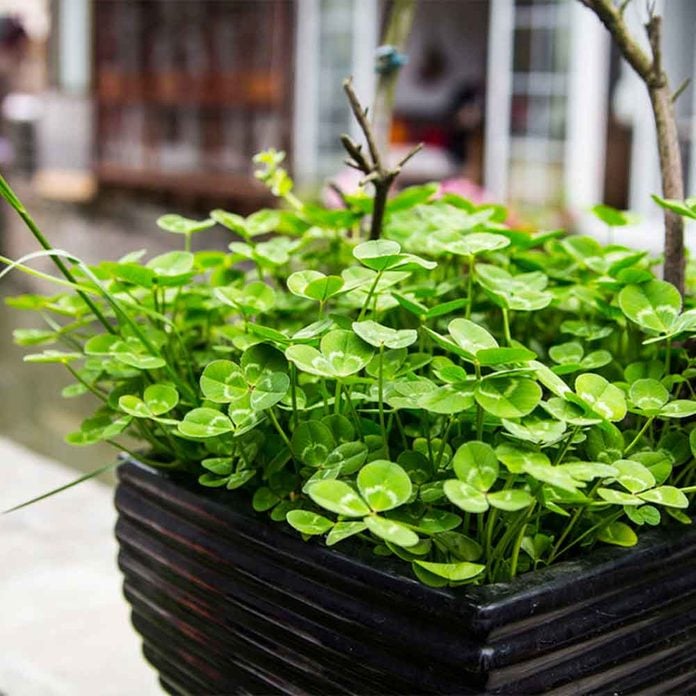
Plants for Bees: Clover
We’re not talking about the clover that’s taking over your lawn, we’re talking about a larger flowering variety that is far more at home in your garden. While you may have to protect it from hungry creatures, bees will love it. Just remember to plant it more like grass and treat it like a groundcover (please don’t step on bees though) as an alternative to a lawn. These are really simple things you can do at home to help save the bees.
5
/
10
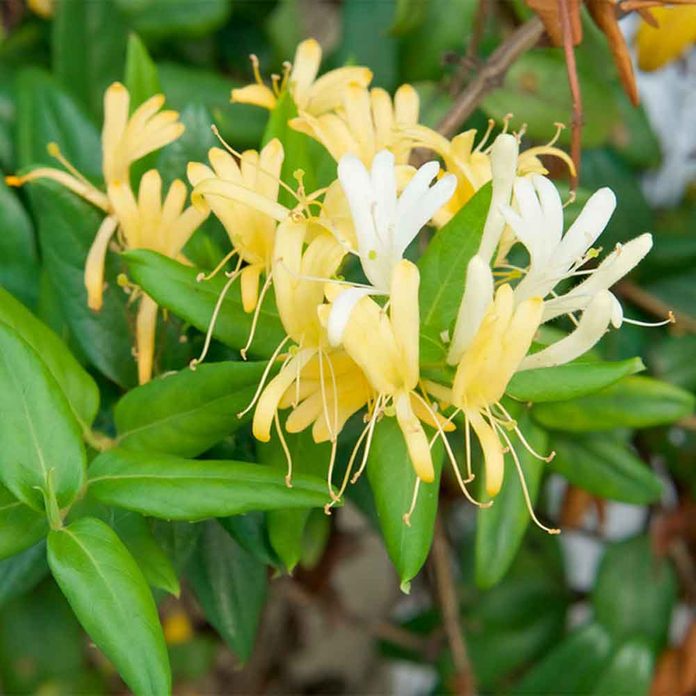
Plants for Bees: Honeysuckle
Honeysuckle needs no introduction: Famed for its scent and orchid-like flowers, honeysuckle is an amazing addition to any garden among garden flower plants. They come in bush or climber form based on the variety, which gives you a lot of options for placement (growing them around patios or decks is common for the fragrance). Like lilacs, honeysuckles can grow surprisingly large after a couple of years, so take note of space.
6
/
10
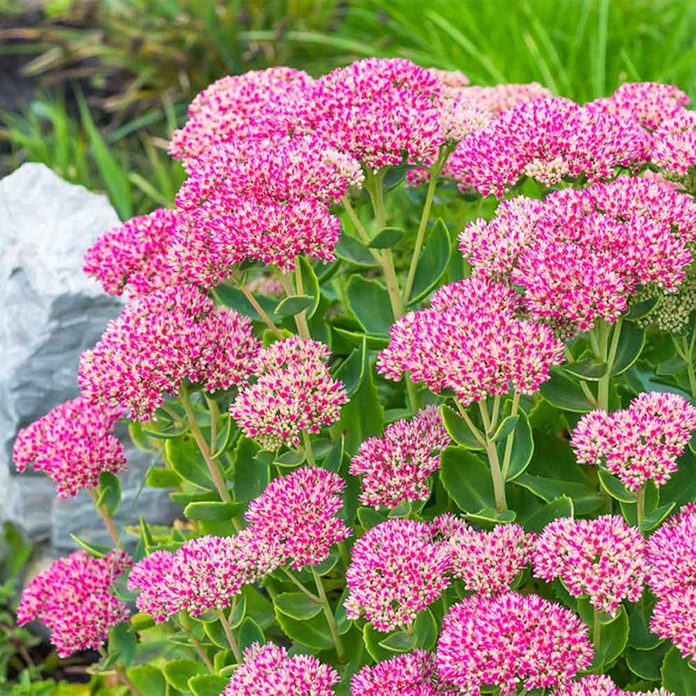
Plants for Bees: Sedum
For a swath of rich color in a flowerbed, nothing works quite like sedum—and it’s a common target for bees looking for a rich source of pollen. Plant seeds well apart and give them space to grow together over time.
7
/
10
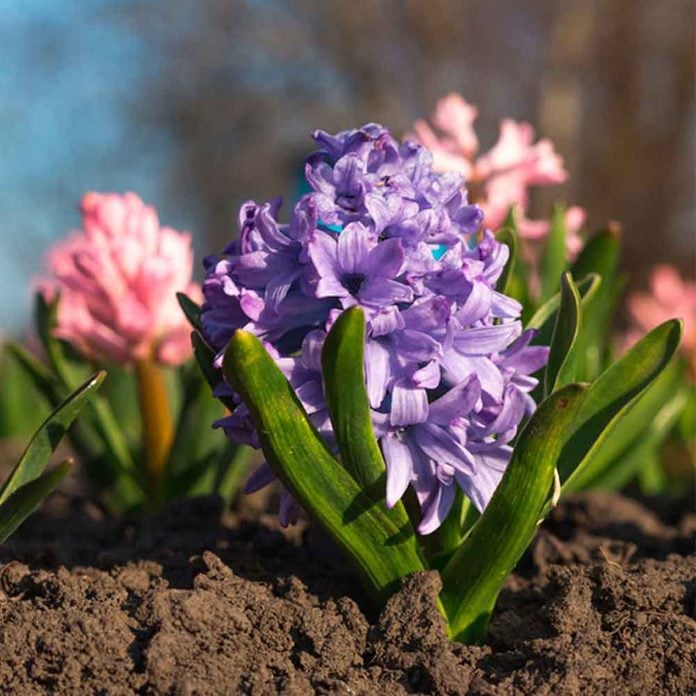
Plants for Bees: Hyacinth
Looking for something a little more bold and beautiful? Hyacinth is popular among bee species and is a great way to build up a flower bed worthy of showing off. Additionally, hyacinth plants are quite adaptable in terms of where they can grow, as long as the soil is well-drained. Plant these bulbs in autumn for best results.
8
/
10
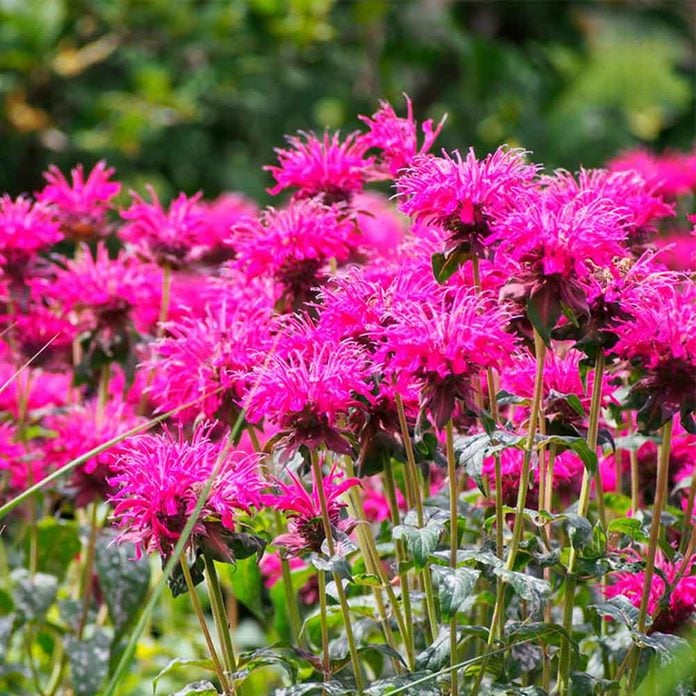
Plants for Bees: Bee Balm, Monarda
As the name implies, bees love the bee balm plant, and this spiky flower can provide some important exotic flavor to your yard. Unlike many of the plants on our list, the bee balm doesn’t mind wet soil and more marshy ground, making it more flexible when it comes to planting in clay or tougher soils.
Also, check out these cheap flowers to plant for creating an inviting and cheerful atmosphere.
9
/
10
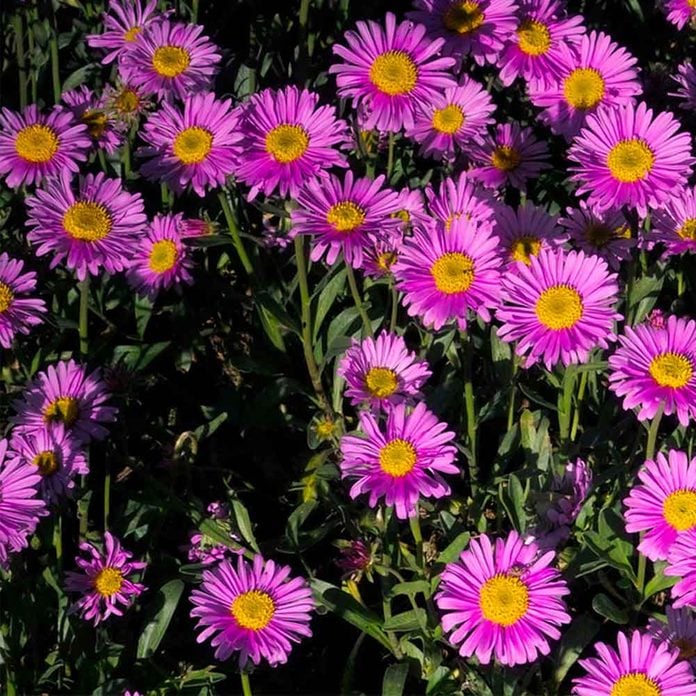
Plants for Bees: Aster
Aster can be planted in spring, doesn’t mind cool air and quickly grows into a bright and beautiful flower. These plants work best in a pot or similar confined space, which also helps when these bee friendly plants start to droop a little. Learn 10 crazy interesting things about bees you didn’t know.
10
/
10
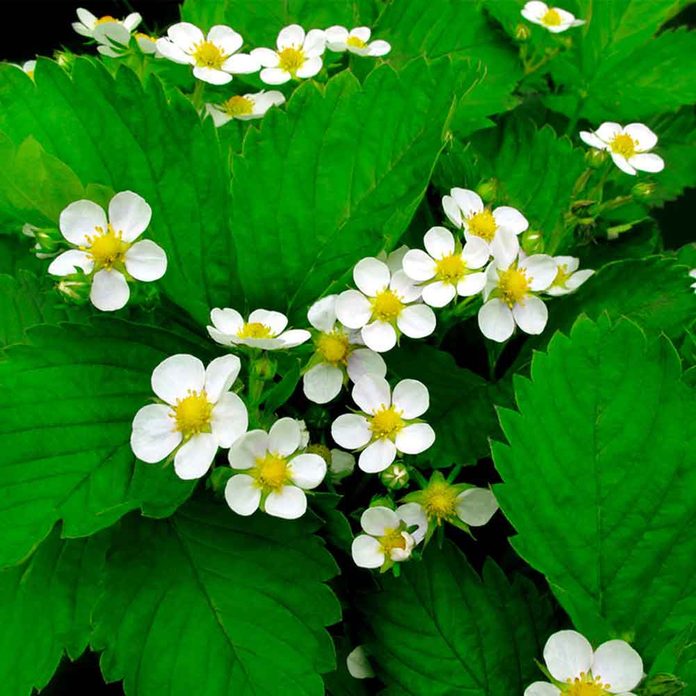
Plants for Bees: Berries
Blueberries, strawberries, raspberries…if you like growing berries in your yard, keep in mind that as long as they flower, the bees will like them, too. Note that not all varieties of berries will produce edible berries, especially in the first year of growth, so plan appropriately if you have your eye on the food aspect.
