These budget-friendly fencing ideas will add privacy, security and style to your front or backyard.
Our editors and experts handpick every product we feature. We may earn a commission from your purchases.Learn more.


Updated Apr. 17, 2024
These budget-friendly fencing ideas will add privacy, security and style to your front or backyard.
Our editors and experts handpick every product we feature. We may earn a commission from your purchases.Learn more.
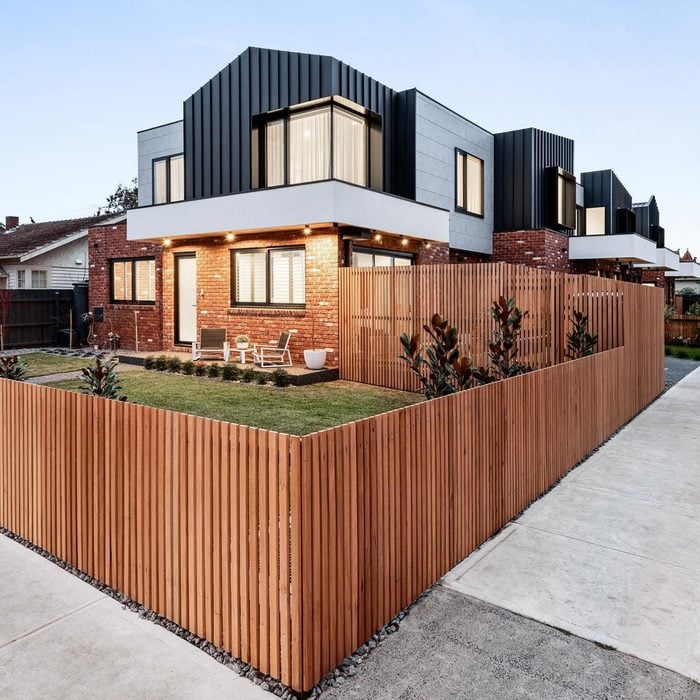
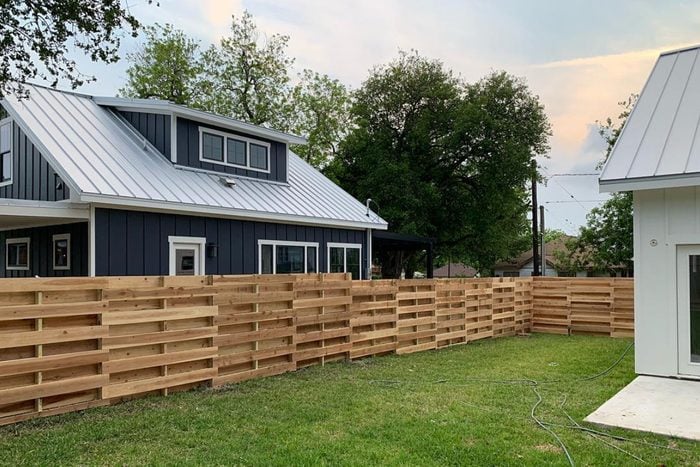
This beautiful fence from @abela_design_and_construction was installed professionally, but you can achieve a similar look with a DIY version for just the price of the lumber. Pressure-treated wood is the least expensive wood fence picket, averaging $1 to $4 per picket. Cedar is another popular choice at $1 to $6 per picket.
Note: Due to distribution challenges, some wood fence materials may be out of stock at many retailers.
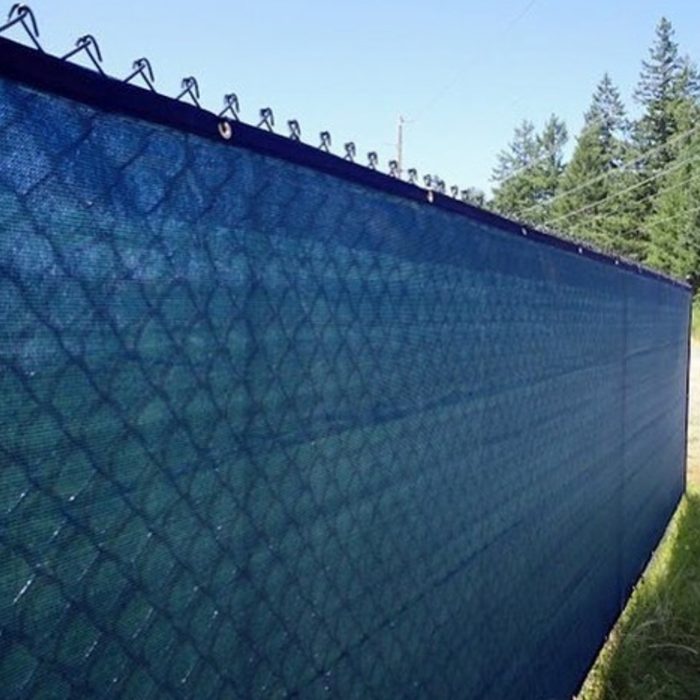
If you have a chain link fence but need more privacy, installing a privacy screen like this one from @aleko_products is fast and inexpensive.
This privacy screen is made of durable, knitted polyethylene that allows plenty of air flow. It’s also UV and water-resistant. Simply attach it to your existing fence with zip ties and the built-in grommets. A 6- x 25-ft. screen costs only $34!
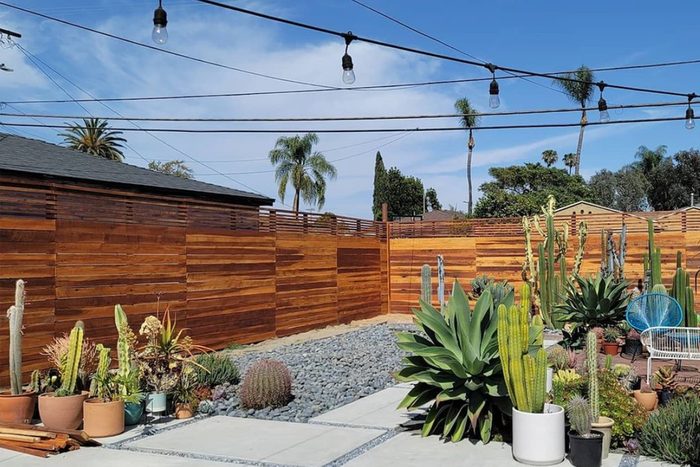
Using ready-made fence panels instead of individual pickets cuts down on labor and the intimidation of installing your own fence. And full fence panels are surprisingly affordable.
To achieve a similar look to this redwood fence from @urban_design_la, this 6- x 8-ft. red cedar panel with a lattice top costs $144. Buying 150 feet of fence panels would run about $2,700.
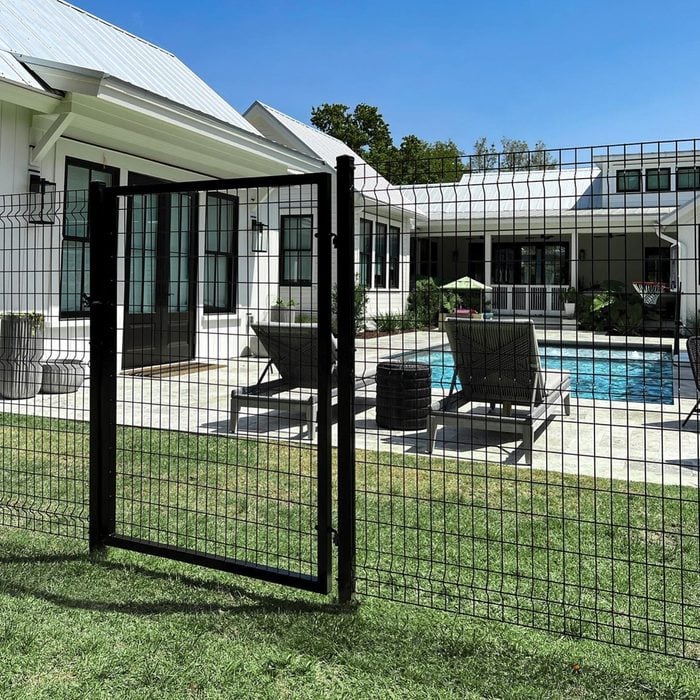
This sharp-looking pool fence from @yardlinkfence features their Euro style powder-coated steel fence panels, priced at $75 each. That’s about $1,875 for 150 feet of fencing. You’ll also need posts, which are about $34 each.
This fencing is long-lasting and maintenance free. The powder coating is more durable than paint and helps prevent chipping and rust.
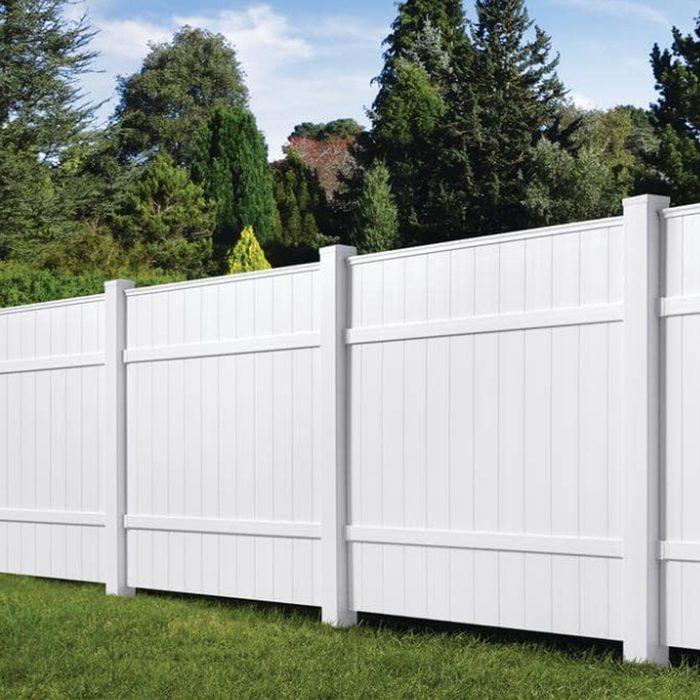
Vinyl is another affordable fencing material, often costing less than wood. This 6- x 6-ft panel is priced at $104. Vinyl fencing is easy to install so it’s a good choice for DIYers. Plus, vinyl fencing should last 20 years or more. In some cases it comes with a lifetime warranty, saving you money on future repairs and maintenance. Here’s our guide to help you break down the pros, cons and costs between vinyl versus wood fences.
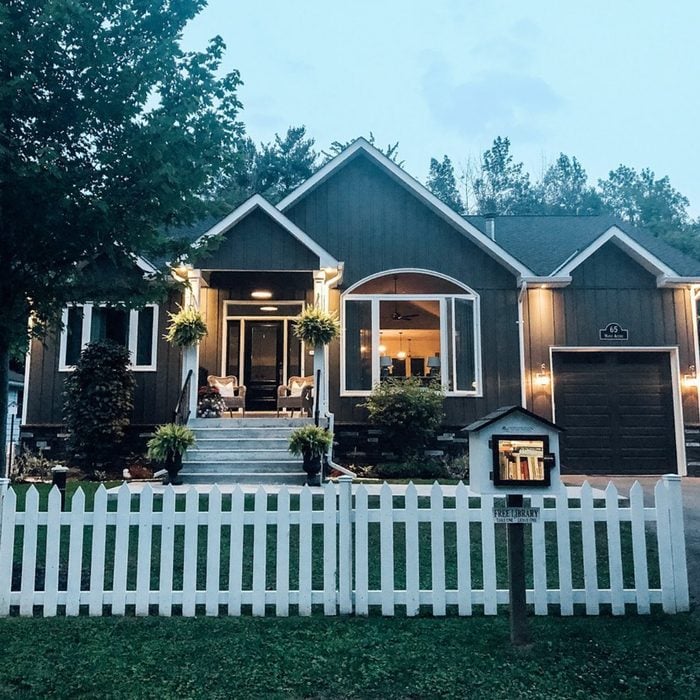
If you’re lucky enough to get your hands on salvaged fencing, you can have a beautiful fence for a fraction of the cost. This picket fence by @fisherdesigncompany actually came from a nearby farmhouse being torn down. A fresh coat of paint is all it needed!
You can also build your own picket fence with scrap wood from other projects. Check every board for nails and screws, then give them a good sanding before assembling your fence.
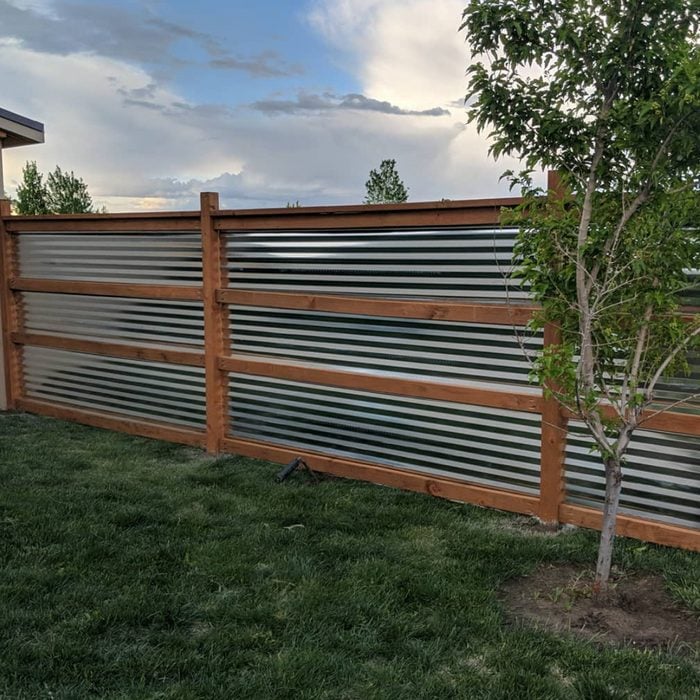
Corrugated metal is a budget-friendly fencing material that resists rust and weathering. This eight-foot sheet of corrugated metal only costs $28!
Plus, we love the look, especially when combined with stained wood, as shown here with this modern farmhouse fence by @mycountrylife_idaho. Remember the higher the gauge, the thinner the metal, so 27 to 29 gauge is suitably strong for fencing.
These DIY planters featuring corrugated metal would also look great in any yard.
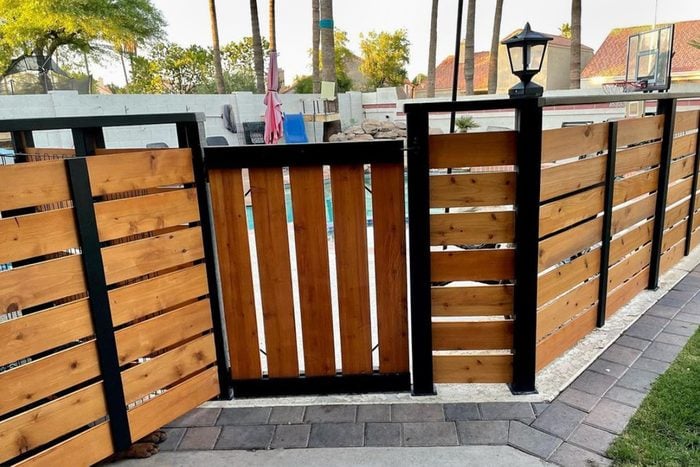
This DIY pool fence built by @the_handy_fireman features pressure treated 4×4 posts ($18 each) painted in exterior weather-resistant black paint, plus horizontal cedar planks ($9 per eight-foot board) finished in a UV-protection oil. The one-inch-thick cedar boards were milled down to 1/2-inch, creating two boards for the price of one while achieving a more modern look.
Another affordable fence material: wood pallets. This fence by @pearl_homes is actually made from regular cedar wood, built in a pallet style.
For a similar look at a more affordable price, buy wood pallets or salvage them from places like a construction site or small business (always ask first!). Then attach the pallets together with heavy-duty nails or screws. Consider traditional fencing posts to strengthen it.
Originally Published: July 01, 2022

