

7 Signs It’s Time to Repaint Your Walls

Updated: Aug. 23, 2023





Repainting your interior walls can breathe new life into your home and transform the ambiance of your living space.
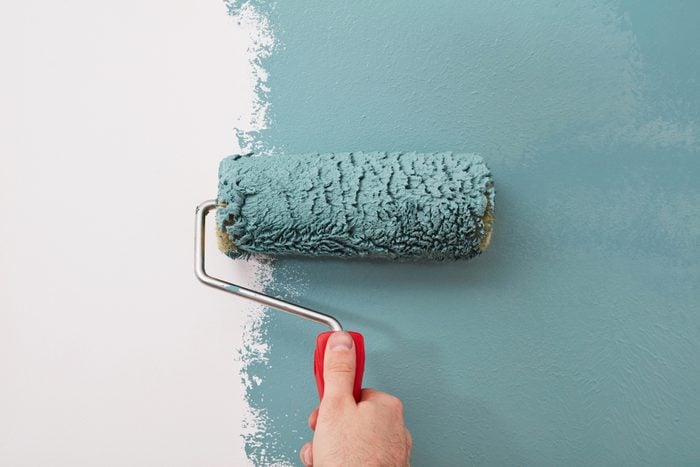
How to Paint a Wall
Painting a wall is a straightforward project, even for beginner DIYers. However, specific steps need to be taken, in the right order, to ensure a clean look.
Prepare the area: Remove anything attached to the wall, clear the floor of furniture or other objects, and cover the floor with a protective sheet.
Prepare the wall: Wipe it to remove dust, dirt and grease. Repair any cracks or imperfections. Apply a primer if the wall has a glossy or uneven surface, or if you’re painting over a dark color with a lighter shade.
Painting: Use a paintbrush to cut in along the edges of the wall, including corners, the ceiling and baseboards. Paint the walls with a roller or paint brush. Allow the first coat to dry completely before applying a second or third coat.

Fading Color
Over time, the color of your interior walls starts to fade. Sunlight exposure, particularly in rooms with ample windows, can gradually diminish the vibrancy of the paint.
If you observe a noticeable disparity between the original color and the present condition of your walls, it’s a clear indication it’s time to apply a fresh coat of paint.
Bubbled Paint
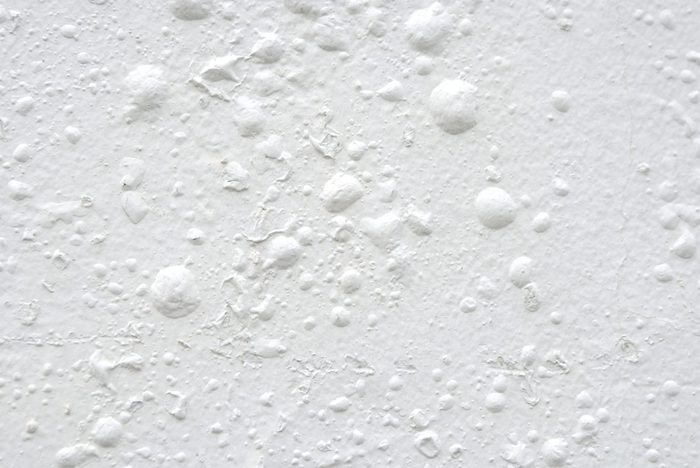
Bubbles occur when moisture is trapped beneath the paint surface, causing it to lift and form air pockets. Bubbled paint looks unappealing. Repainting the walls will not only restore their appearance but also address any potential moisture problems.

Stains or Scuffs That Can’t Be Cleaned
Walls can accumulate stains and scuff marks that resist regular cleaning efforts. Whether it’s from accidental spills, children’s artwork or everyday wear and tear, stubborn stains and marks can make your walls appear dirty and worn.
If your walls are marred with unsightly blemishes that don’t respond to cleaning, repainting will restore a fresh and clean look to your home.

Moving In (or Out) of a Home
Whether you’re settling into a new home or preparing to sell your current one, there are compelling reasons to repaint the walls. Moving into a new house provides an opportunity to infuse your personal style and establish an environment that truly represents you.
Conversely, when selling your home, a fresh coat of paint can greatly boost its attractiveness and market value. In both scenarios, repainting the walls allows you to begin anew, creating a blank canvas to make a lasting and impactful first impression.

Clashing Colors
If you find the current color scheme of your walls clashes with your furniture, decor or personal taste, it might be time to repaint. The wrong color choice can make a room feel chaotic or dull. Repainting gives you the opportunity to harmonize your walls with the rest of your interior design elements, creating a cohesive and visually pleasing atmosphere.

Room in Need of a Statement or Focal Point
Sometimes, a room lacks a captivating element that draws attention and creates visual interest. Repainting an accent wall or adding a bold color can serve as a statement or focal point, instantly transforming the room’s character.
Whether you choose a vibrant hue or a subtle shade, repainting a single wall can elevate the overall design aesthetic and make the room more engaging.

You Want to Try Something New
Repainting a wall is a cost-effective method to rejuvenate your living space. Through painting, you can explore a multitude of colors, textures and finishes, enabling you to unleash your creativity and revitalize the overall appearance and ambiance of your home. It promotes self-expression and amplifies your living space with a fresh and updated vibe.
Originally Published: May 23, 2023
