


Owning a piece of land and getting away from it all sounds great, but you have some homework to do first.
15 Things to Look for When Buying Land

Updated May 22, 2024
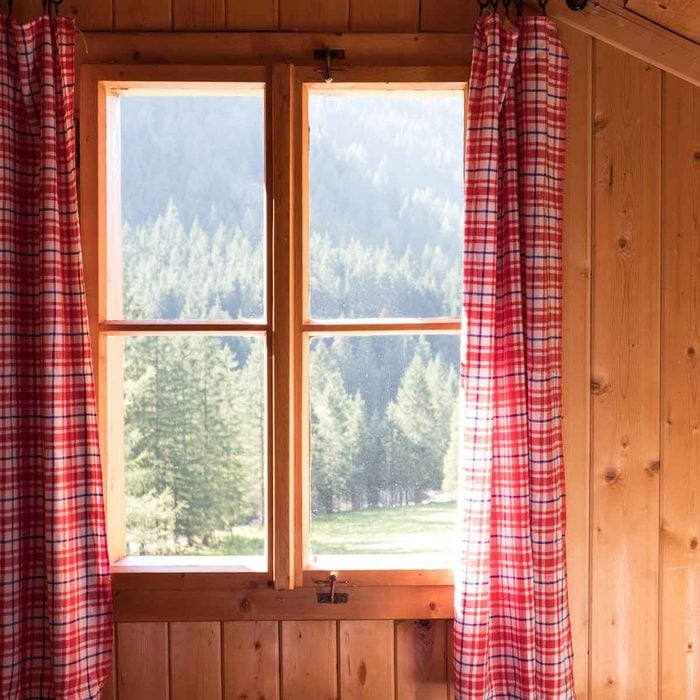
There’s nothing quite like the thrill of walking your land, breathing in fresh air and planning for the future. I can tell you from personal experience that building a home or cabin on a parcel of land you own is one of the most challenging yet gratifying experiences a person can have.
When my wife and I started our cabin building adventure in 2014, we had a lot to learn about land and construction. If we were doing it over again, I’d think more carefully about the land itself and the features that are most important to us.
Investing in land is a big step. So before you buy land, careful consideration of the points below will help you make the best possible property purchase, so you can start building your dream home or cottage with confidence.
1
/
15
Lot Size
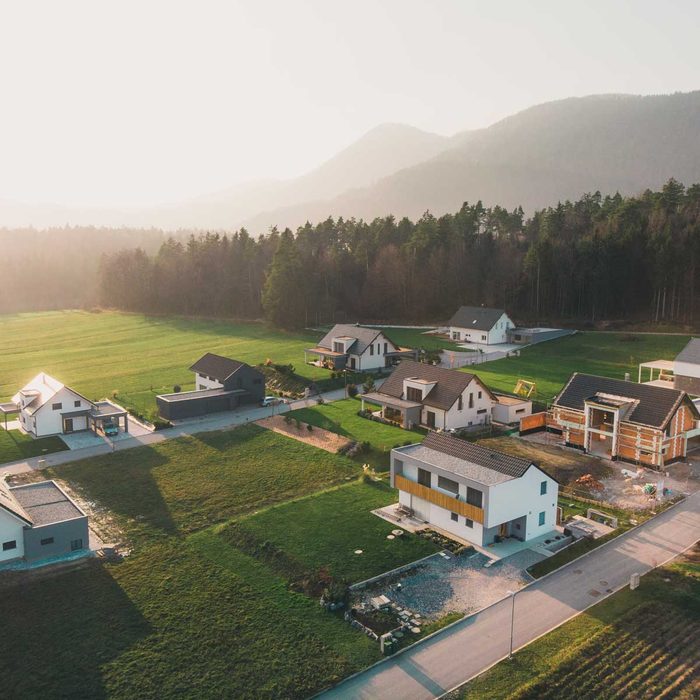
One of the first questions to ask when scouting out properties is how much land do you need. This is largely a matter of personal preference.
Do you want lots of space to take long walks with your dog without being disturbed by other people? More land opens up many possibilities, such as room for outbuildings and greenhouses, hobby farming and having fun with four-wheelers, dirt bikes or snowmobiles. The downside: higher upfront costs and property taxes.
2
/
15

Proximity to Neighbors
When land shopping for your home or cabin, ask yourself how tolerant you are of annoying people. This may seem unnecessarily negative, but I can tell you from experience that even if your neighbors are saints, there’s no telling who could one day buy the property next door and start giving you grief.
In my experience, cottage and cabin country seems to attract more interesting characters than suburbia. Be prepared for annoyances like loud, untrained dogs; out-of-control livestock breaking down fences and tromping through your garden; and possibly even unsafe use of firearms within a stone’s throw of your door.
You may not need to deal with any of these issues. And you might decide you prefer close neighbors for social reasons. That’s fine. Just don’t assume they’ll always stay nice.
3
/
15
Proximity to Water
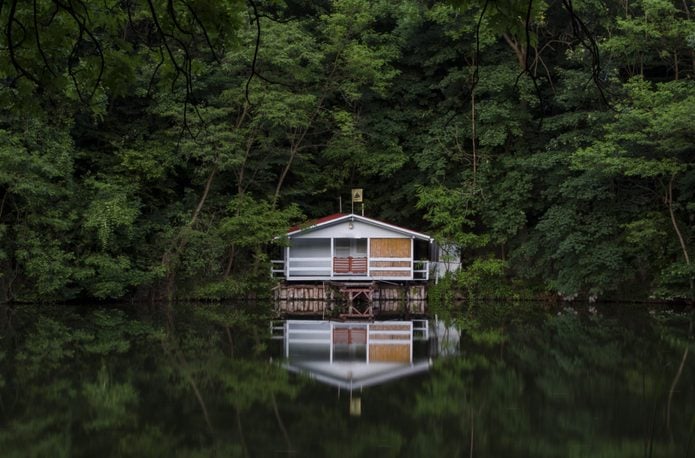
Another decision to make early in your search for land is whether you want access to a lake or river. Land with water frontage is almost always more expensive, but being able to enjoy swimming, fishing and boating is well worth it for many cabin owners.
If you decide you want to be near water, think about the sort of water you want. Deep lakes offer the most possibilities for enjoyment. Rivers are nice, too, but unless they’re large and calm, you won’t get as much fun out of one as a lake.
4
/
15

Shoreline Characteristics
If you decide a lakeshore property is for you, think about the sort of shoreline you want. Most lakes look nice from a distance, but some are much more user-friendly than others.
Lakes with soft, muddy, weed-filled bottoms, for example, aren’t nearly as good for swimming as lakes with rocky or sandy bottoms. Lake depth matters, too. Shallow, gradually deepening lakes are tougher to set up docks. If you own a boat and plan to use it at your new property, water that gets deep fast is your best bet. You may also want to inquire about the fishing prospects.
5
/
15

Proximity to Town
Unless you’re planning to rough it and live completely off the land, consider proximity to the nearest town, and whether that town can cover all your needs. Think about how far you’re willing to travel for groceries, hardware and health care. Does the nearest town have a hospital and ambulance service?
These considerations matter if you’re concerned about your health and getting the care you need quickly during an emergency. Don’t wait until you’ve bought land and built a cabin to discover that serious medical issues require an airlift to the nearest major city.
6
/
15
Electrical Grid Access
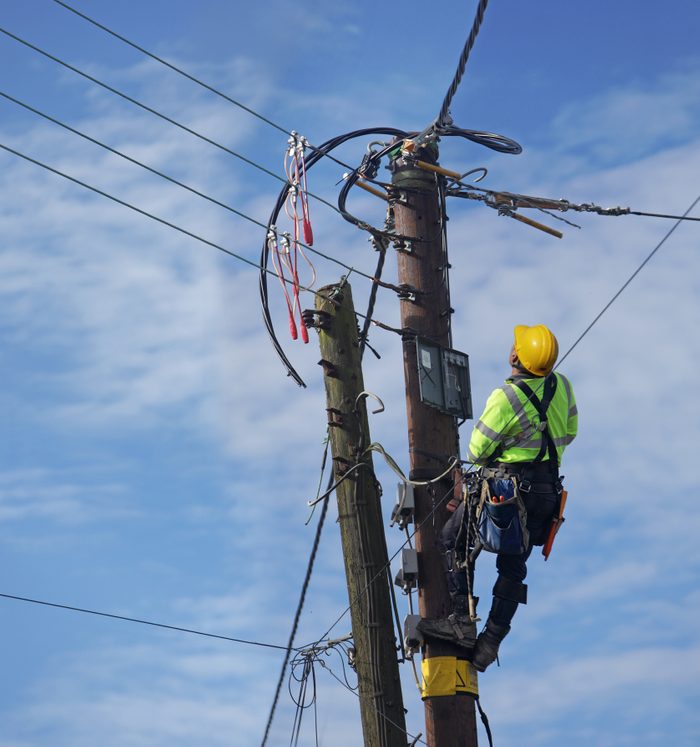
Once you’ve decided on the size and characteristics of your new home or cabin property, it’s time to consider electricity. Do grid-powered electrical lines come reasonably close? If not, you’ll need to choose between a solar or wind-powered off-grid system, or paying to have the power company install new poles from the nearest point of grid access.
Don’t make the mistake of choosing land based on looks alone. Electricity can be wildly difficult and expensive to achieve for a cabin that’s in the wrong spot.
7
/
15
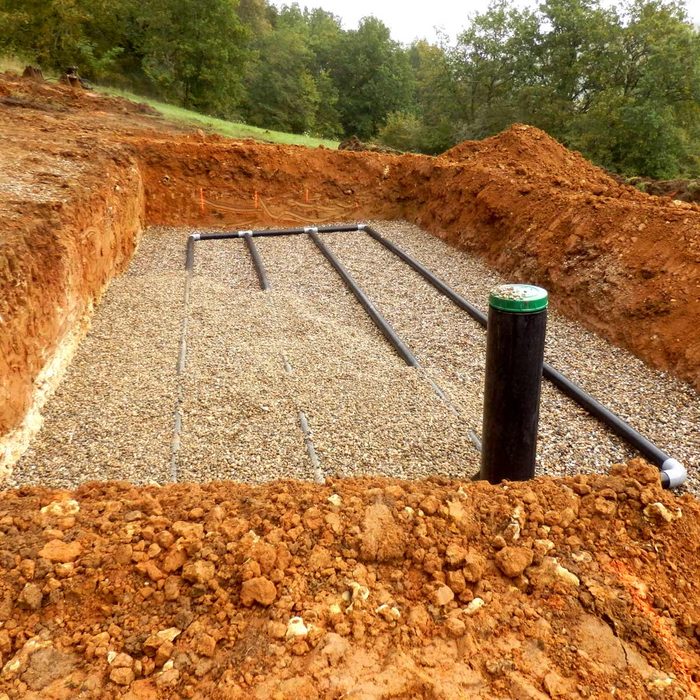
Drinking Water and Sewage
Do you plan to install a septic system for your home or cabin? If not, you’ll need to use a composting toilet and gray water pit, or hook into the local sewage system. Remote properties don’t have municipal sewage systems, so if you go that route you’ll be restricted to properties closer to towns.
By the same token, a municipal water supply is only an option when you’re close to town. If you prefer a more remote location with an off-grid water system, you’ll need to drill a well and install a submersible pump to get water, or pump it in from a lake or river. Another consideration to take into account is whether or not you’ll need to install an irrigation system, if you plan to have any kind of agricultural output or even a large garden.
8
/
15

Internet and Cell Service
Unless your goal is to unplug completely, living without internet access likely will be tough. That’s why it’s important to note the internet providers and cell signal strength at all potential properties. Your cell phone could save your life one day, so don’t make the mistake of choosing land with sketchy service unless that’s a selling point for you.
9
/
15
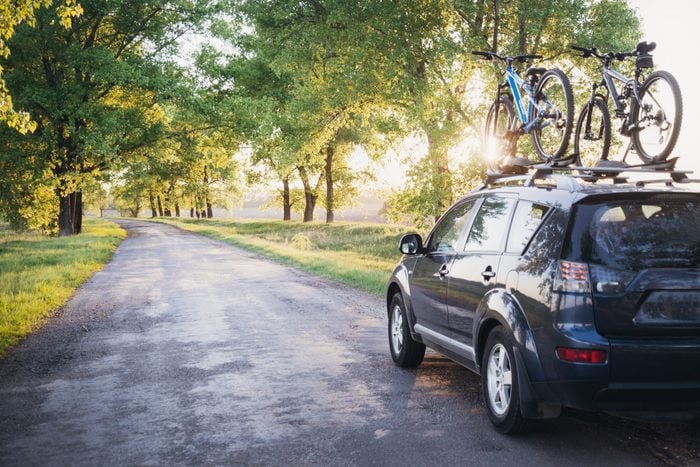
Road Access
Beautiful land is all well and good, but it will be hard to enjoy if you have to hike through two miles of brush to get there. Evaluate the road access on all lots you scope out.
Is there a year-round, municipally maintained road leading directly to your property? Is there a trail you could use as a road and are willing to keep it clear yourself? If not, now’s the time to decide whether to devote the time and money to have one built, and buy snow removal equipment if you’ll be at the cabin during the winter.
10
/
15
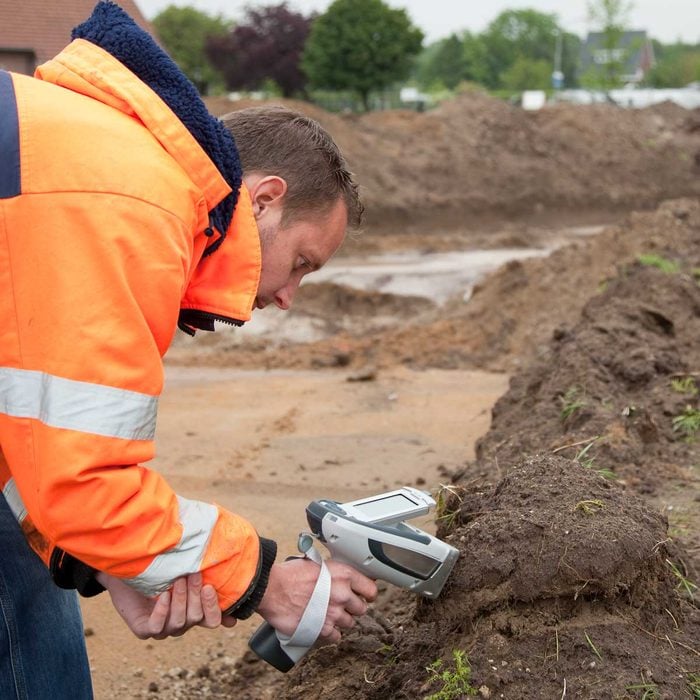
Soil Depth and Composition
Although dirt may not be the first thing on your mind when land shopping, it’s certainly an important consideration. Do you plan to grow a garden? You’ll need dark, carbon-rich soil to make it work.
Soil depth matters, too. Shallow soil will probably drain quickly during heavy rains. But if there’s only a few feet of earth above bedrock, it probably means you can’t include a basement in your home or cabin, unless you’re willing to haul in many loads of fill to build up the ground around your structure. Soil composition also matters for lawns and tree planting.
11
/
15

Forest Presence and Type
Many folks, myself included, buy land and build a cabin with the dream of partnering with the land as much as possible, including heating with on-site wood. If this is your plan, hardwoods like maple, oak, ash and birch make the best firewood. That’s why forests of primarily softwood species like spruce and balsam aren’t ideal for cabin owners who want to harvest their heating fuel.
A hardwood lot of four or five acres can sustainably heat a medium-sized building for many years, as long as it’s properly managed. Forest composition also matters if you plan to hunt, tap trees for syrup or blaze walking trails.
12
/
15
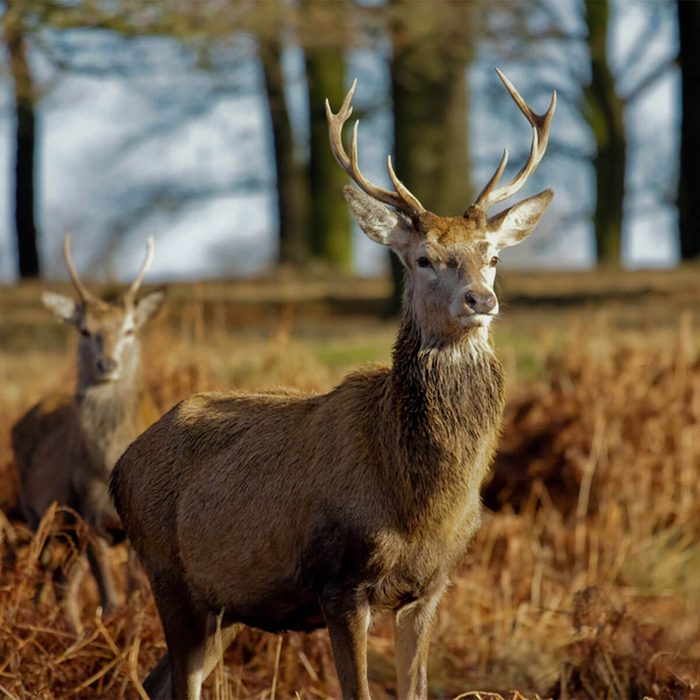
Hunting Possibilities
If you’re a hunter, chances are good you’re planning to use your new home or cabin as a place to get some meat the old-fashioned way. If so, you’ll need a large lot with at least a couple sides free of close neighbors, particularly if you’re planning to hunt deer.
Deer rifles can propel bullets a mile or more before they fall to earth, so safety should be a top priority when scoping out cabin properties you plan to hunt. It’s also important to make sure hunting is permitted in your area, and if so, when the seasons happen. The exact dates vary from place to place.
13
/
15
Property Taxes
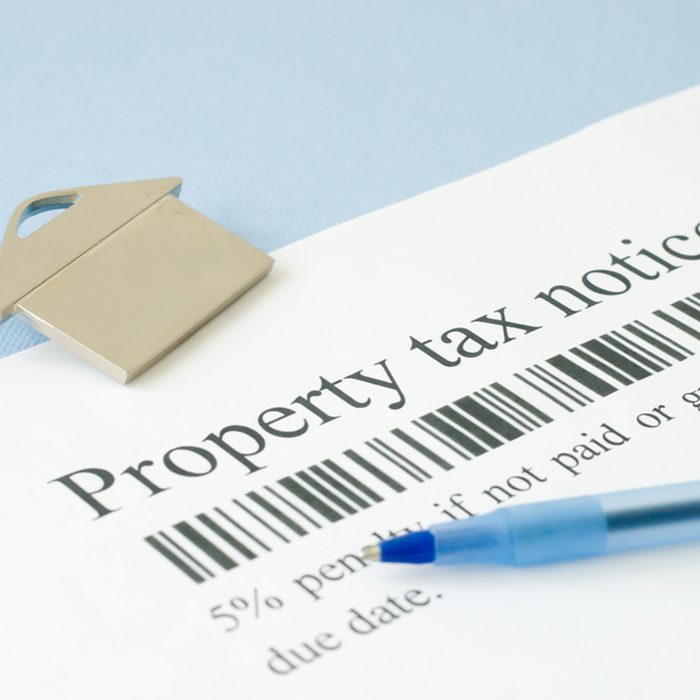
Property taxes certainly aren’t a fun or glamorous topic of consideration when scoping out land, but they’re an important factor nonetheless. If you’re working with a real estate agent, ask them about property tax rates in the area. If not, ask some locals with similar properties to the one you’re looking at.
Keep in mind your rates will go up once you build. If there’s already a building on the land, rates will be higher than a lot without buildings. Bottom line: Don’t let property taxes become a nasty surprise in your cabin or home building journey.
14
/
15

Local Bylaws
Building codes and bylaws vary greatly from place to place. That’s why it’s vital to learn the basic rules of an area before buying land and building there.
Things like year-round roof and wall insulation requirements, distance from your building to bodies of water, water system requirements, livestock rules, waste removal and other factors are almost certainly stipulated in detail in the local bylaws. Your job is learning those requirements so you don’t get an unexpected and nasty phone call from an enforcement officer or building inspector.
15
/
15

Insects and Other Pests
How much do you dislike mosquitoes and black flies? How about raccoons or skunks? Depending on how far from civilization you’re planning to build, these critters may quickly become a major nuisance. There are certainly ways of dealing with them, but you need to decide how you feel about measures like an electric bug zapper, a live trap for skunks and raccoons or possibly even a firearm.
Originally Published: July 22, 2022

