When should you stop mowing your lawn? It might be later than you think.
When Should I Stop Mowing My Lawn in the Fall?
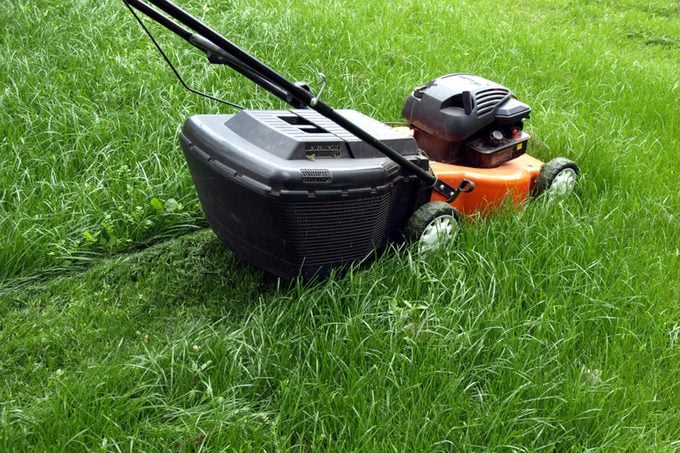
Fall is here, and you’re probably ready for a break in the action when it comes to mowing your yard. But just because the leaves have their first tinge of yellow, doesn’t mean you can put the mower away for the season. Not yet anyway. For much of the country, lawns continue growing in the fall, before the grass goes dormant in the winter. It depends on the type of grass and where you live.
How to Know When It’s Time to Stop Mowing Your Lawn
What is the soil temperature?
Grass grows in a bit of a counterintuitive fashion, in that it will grow more rapidly in the fall but cool-season grasses won’t go dormant until the soil temperature reaches 45 degrees Fahrenheit. Warm-season grasses will go dormant closer to 55 degrees Fahrenheit. You check soil temperatures at Greencast Online.
How many leaves have fallen?
As the leaves start falling from trees in the fall, take a look at how many have fallen. This can give you a great idea about when you can stop mowing. Typically, when half the leaves have fallen from trees, grass growth has slowed significantly.
Is there any frost?
Frost is the best indicator of when grass is done growing, and you can stop mowing. Fog can help you upgrade your lawn care before winter and make your lawn more lush and green.
It’s very important to remember that this isn’t true for all kinds of grass. Some cool-season grasses might continue growing, so it’s best to keep an eye on them.
How Short Should You Cut Your Grass?
The ideal length of your lawn depends on your climate, but most experts agree you should keep it about three inches long. For the last cut of the season, you can cut it down to between 1-1/4 inches to 1-1/2 inches in length.
That final cut serves two purposes: it prevents a buildup of organic matter, which can lead to disease, and it makes raking easier. Keeping your grass cut short can also help reduce winter kill, deter voles and reduce snow mold. This is a major part of lawn care before winter.
Grass Growth Patterns by Seasons
It is very important to try to understand grass growth patterns according to seasons because they can help you make or break the lushness and greenery that your lawn showcases. Here’s a quick look at how grass grows throughout the year:
- Spring: Grass reaches an all-time high in the spring because it wakes up after being dormant in the winter. You should mow your grass regularly in the spring.
- Summer: After growing beautifully and heavily in the spring, growth starts to slow down. Remember to water it profusely and mow it evenly to ensure adequate growth.
- Fall: Plants are greeted with heavy winds in the fall. However, when it comes to grass, the fall is very ideal for growth. The roots also begin to spread and strengthen. Remember to seed well and fertilize during the fall.
- Winter: The winter season is like a giant pause button for grass. With dropping temperatures, grass growth halts. It also changes color and goes dormant. This is the time to stop mowing and give your lawn a rest.
Tips for Caring for Dormant Grass
When your grass begins to change color and go dormant, the need for lawn care changes.
- Gradually lower the mower height and start cutting the grass shorter.
- Remember not to remove more than one-third of the grass on the ground.
- Actively sharpen your blades to ensure better mowing of your grass.
- If you live in a region that experiences frost, remember to mow right before the first frost and then stop mowing after that.
- Lastly, don’t leave grass clippings out on the lawn. Remember to remove them to allow your dormant grass to breathe.
FAQ
How can I tell if my grass is dead?
It’s very easy to identify the state of your lawn’s grass. When it comes to dormant grass, it’s usually tan or light brown. But, this usually means it will perk up with more favorable weather.
However, when it gets brown or darker, the grass is dead and needs to be uprooted and reseeded.
Does grass stop growing at night?
All plants need sunlight to perform photosynthesis and grow, including grass. This is why the growth slows at night. This also occurs due to lower temperatures.
Sources:
- GreenCast Online: “Average Soil Temperature”
- Lawnstarter: “When Does Grass Stop Growing?”
- Agrlife: “Grass Growth And Development”