A “backdraft” in your home is created when an appliance or device uses combustion (an open flame) that isn’t properly vented, allowing the exhaust to be pulled back into the home.
What is Backdraft in Your Home and How to Stop It
On This Page
Why you should be concerned with backdrafting
A “backdraft” in your home is created when an appliance or device uses combustion (an open flame) that isn’t properly vented, allowing the exhaust to be pulled back into the home. While gas range tops and ventless fireplaces produce low enough levels of exhaust that they don’t need to be vented, gas water heaters, gas or oil furnaces, and traditional fireplaces must have properly sized and blockage-free flues in order to vent properly.
Making matters worse, even properly installed equipment can backdraft when your home becomes negatively pressurized, meaning that there is air pressure pulling the exhaust into the home rather than pushing it out the vent. Backdrafting creates inefficiencies in your home’s mechanical systems and an increase in utility bills, but it also has a far more dangerous component: carbon monoxide. Here’s how and where to install a carbon monoxide detector
How to identify backdrafts:
A properly installed CO detector will alert you to dangerous levels of carbon monoxide, but there are also ways to find potential backdrafts before they become a life-threatening problem.
One easy way to test the draw on your exhaust is to light a stick of incense or wooden match and hold it near the flue. The smoke should be wicked up and away. If the smoke isn’t getting out, then chances are exhaust fumes aren’t either.
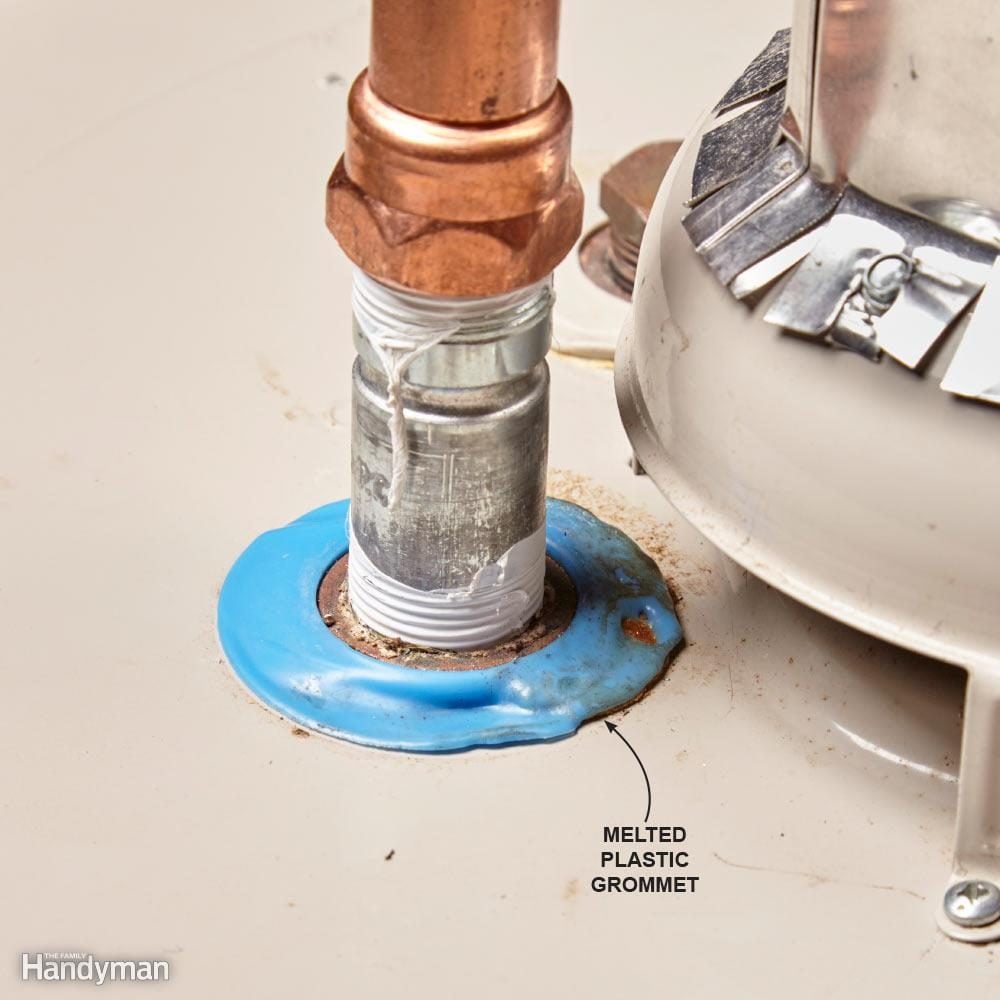
Another warning sign to watch for is hot air around the entrance to the exhaust vent. In this photo, the gasket on the top of the water heater is melting due to prolonged exposure to hot vent fumes pulling back into the living space of the home. If you see something like this in your home, it’s imperative that you figure out the source of the issue as soon as possible.This is why you should always check your furnace maintenance in the winter.
How to prevent backdrafting:
1. A flue vent
A flue vent that is improperly sized (either too large or too small) or blocked by an animal nest will not draw the exhaust properly. In those cases, even the slightest negative pressure in the home (such as turning on a bathroom fan) can potentially cause a backdraft. Make vent inspections part of your home maintenance inspection routine, looking for cracks or breaks in the flue and—if you’re noticing animal activity on the roof—check for nests on the top of your chimneys. (Animals enjoy the warm draft from the exhaust air.)
The exact size of the flue will depend on what vents into it and the height of your chimney. If you have questions about this ratio, or are noticing backdraft and know that a simple line crack or animal nest isn’t to blame, consult a contractor or home inspector to help zero in on the problem.
A home inspector reveals the signs your house is in trouble.
2. Keep venting needs in mind
A more subtle cause of backdrafts is a home that’s been sealed too tight. Sealing up cracks and holes is a great way to reduce energy bills, but it also inhibits the flow of air through the house, making it harder for exhaust fumes to escape. Don’t be afraid to seal up your home, but if you’re planning a major modification to your thermal envelope, work with your venting needs in mind. Save money with a home energy audit.
3. Know the ripple effects of changing mechanical systems
Similarly, if you make changes to your home’s mechanical systems, be aware of the ripple effect this can have. A common source of backdrafting is “orphaned” water heaters. When homeowners replace older furnaces with more efficient models that don’t use the chimney to vent, gas water heaters are often left as the only device venting into the chimney, which is now oversized for the water heater alone. The result is exhaust fumes that can’t make it up the chimney.
4. Open windows and doors
Similarly, large devices that draw air out of the home, such as a whole-house fan, can create backdraft if they aren’t installed with this in mind. That’s why articles such as this one call out the importance of opening windows and doors during operation: Choosing a Whole House Fan
Backdrafting is a potential hazard, but with a little thought and standard maintenance, it’s a danger that can be avoided.