


You may be surprised by which of these house bugs are actually helpful and which are downright dangerous. Either way, we’ll show you how to kick them out and how to keep bugs out of your house.
The 16 Most Disgusting House Bugs and How To Get Rid of Them

Updated Jan. 22, 2024
1
/
16
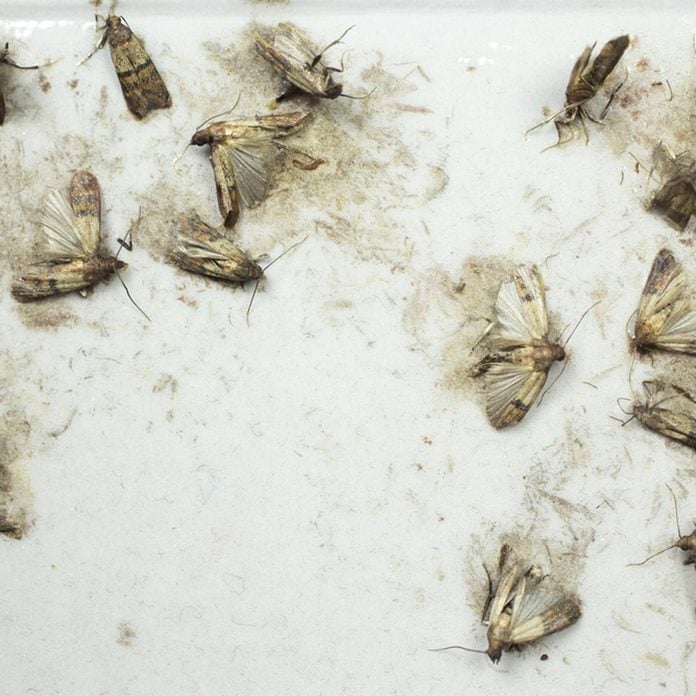
Meal Moths
Meal moths, often known as pantry moths, love to get into food such as flour, beans and dried fruit. They also eat through pet food and even your Christmas ornaments. These moths don’t carry disease, so you can eat the food after you pick out the dead bodies and freeze the food for at least four days. Or, just pitch it! Now that you know how to deal with meal moths, it’s best if you also look out for another common pantry pest known as strawberry root weevils.
2
/
16
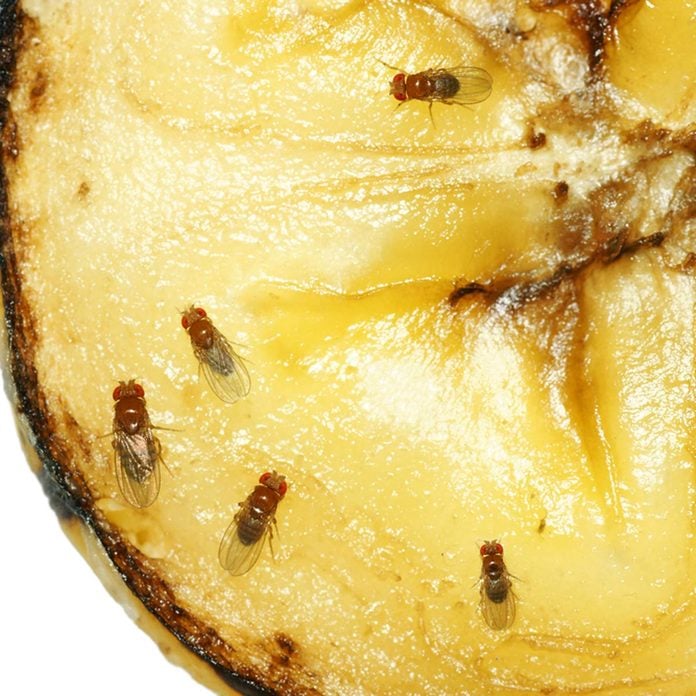
Fruit Flies
If fruit flies are everywhere and so are their eggs, that means they’ve invaded your kitchen, use this trick to get rid of them: Mix a small squirt of dish soap with some vinegar (apple cider vinegar works great) or even some wine to get rid of this flat black bug. Place it in a bowl and cover with plastic wrap. Poke some holes in the top. The fruit flies will get in and become trapped.
3
/
16

Crickets
Some species of crickets, such as the Jerusalem cricket, are capable of biting humans if provoked. Still, it’s rare for these critters to bite. “The cricket species kids run into in North America are basically harmless,” says Joseph Spagna, PhD, William Paterson University associate professor of biology. “I handle the common ‘house cricket’ Acheta domesticus in my behavior classes regularly, with bare hands, and they have never bitten me.” Plus: Check out why Shark Tank loves First Saturday Lime to keep bugs at bay.
4
/
16

Beetles
“Larger beetles, like large stag beetles, can do some damage with their massive mouthparts, usually when they feel threatened or if they’re trying to steady themselves,” James Daniel Ricci, an entomologist, and the co-founder and CTO of Ovipost, a company that produces automation equipment for rearing insects. “Usually this is pretty mild, barely more than a stubbed toe or a pinprick. Ice the area if it’s at all bruised and use a bandage if necessary.”
5
/
16
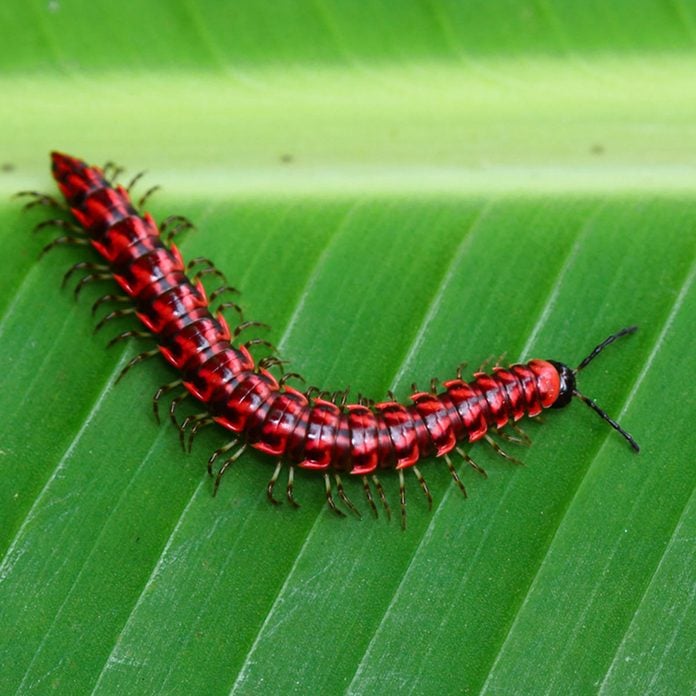
Millipedes
“It’s not an insect, but millipedes, the friendly, docile relative of the centipedes, can hurt humans when they’re threatened,” Ricci says. “The yellow-spotted millipede will curl into a ball when threatened, and leak hydrogen cyanide, a strong poison, onto the person holding it. This isn’t usually enough to kill a human, but you definitely should wash your hands thoroughly and avoid touching your face or eating food immediately after!”
6
/
16

Mosquitoes
Throughout the world, more people are killed by mosquito-borne illness than any other factor. In the United States, mosquitoes can spread different types of encephalitis and can transmit heartworms to domestic animals like dogs and cats.
7
/
16

Centipedes
There’s nothing more terrifying than watching a house centipede shoot across your floor and under your couch. It’s safe to say that most people are positively scared of those creepy crawling houseguests. House centipedes typically have 15 legs and can travel 1.3 feet-per-second, which explains why catching one of these bugs is nearly impossible. The typical response to a house centipede probably involves a shoe, but like almost every other bug out there, this particular bug does have a purpose. And yes, that purpose is actually good.
8
/
16
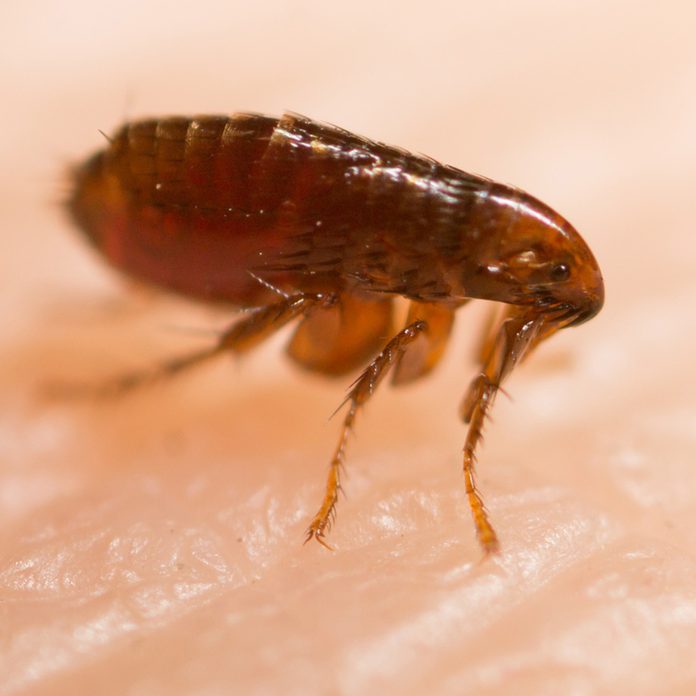
Fleas
If your pets have brought fleas into your home, you’ll know it. These pests may be small, but they jump around a lot and bite, especially in the warmer months. If you are bugged by a flea infestation, here’s how to get rid of fleas the right way. And the best form of prevention is to protect your pets with flea treatments.
9
/
16
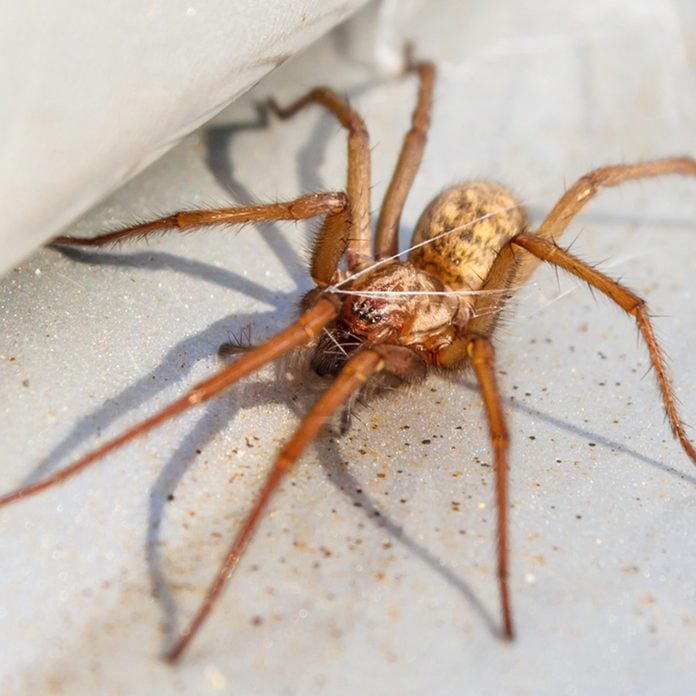
Spiders
Bothered by spiders setting up shop inside your house? Spiders often come indoors seeking warmth and food. We all know they prey on other insects, which can be a benefit, but do you really want to share your home with them? You can get rid of spiders with a little patience and the right tactics—but act quickly before they have a chance to lay their eggs!
10
/
16
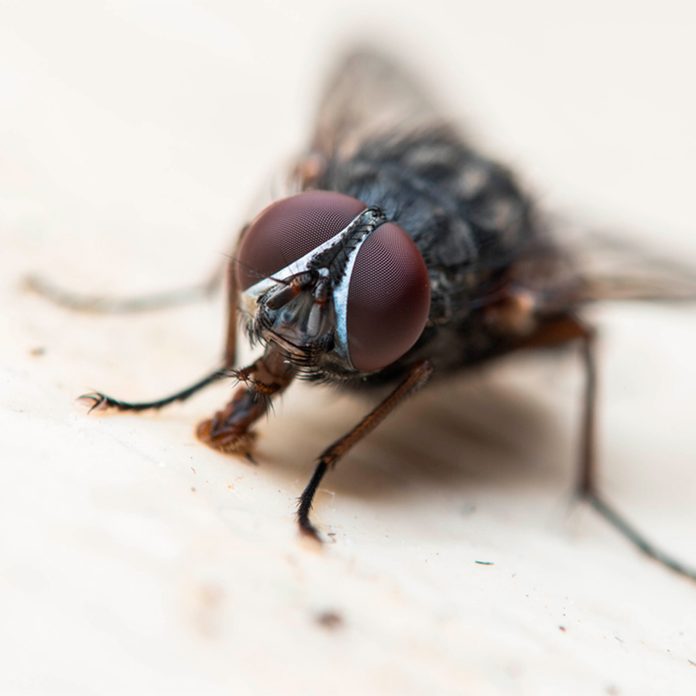
Flies
The United States is home to many different species of flies, from drain flies and blowflies to houseflies and the gnat. Regardless of the type, they’re all annoying when they make it inside your home. Flies are not only troublesome, they can also carry disease and are a health hazard if left untreated. So if you experience regular, annoying flies, it’s time to take care of them. Here are the most common types of flies in the U.S.
11
/
16
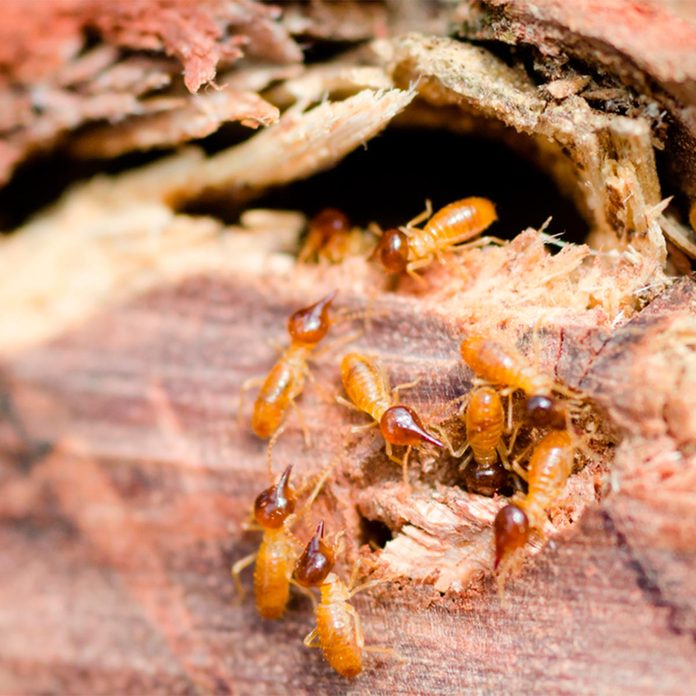
Termites
Termites can cause serious damage to your home. They are a particularly troublesome pest, and are notoriously difficult to get rid of. If you notice any of these wood-chewing creatures, or signs of their activities, it’s important to deal with them immediately!
12
/
16
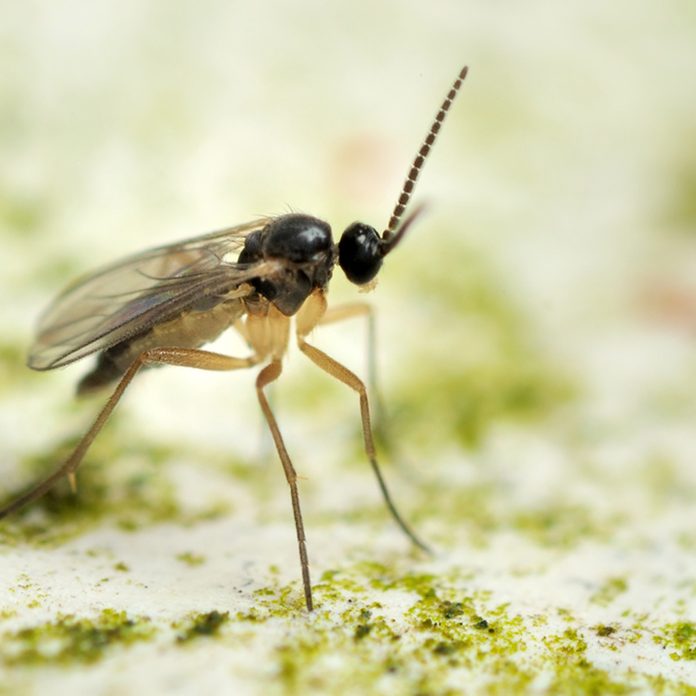
Gnats
Gnats can prove particularly annoying once they get inside your house—especially since it can be difficult to notice them until an infestation is underway. Gnats have short lifespans, so if you don’t give them a place to reproduce, eventually these house bugs won’t be a problem any more. While gnats don’t necessarily eat rotting fruit or vegetables, they may still linger around trash. To discourage them, keep your trash cans tightly closed, and bag all trash thoroughly so no gnats or fruit flies will find a way to them.
13
/
16

Bed Bugs
Before you can do anything about preventing a bed bug infestation, you’ll need to identify what the pest looks like, and where it likes to hide. Bed bugs have small, flat, oval-shaped bodies, are wingless and brown in color. They hide in mattresses, bed frames, bedding, furniture, carpets, baseboards and bedroom clutter. If you’re already dealing with them, these bed bug sprays will come in handy.
14
/
16
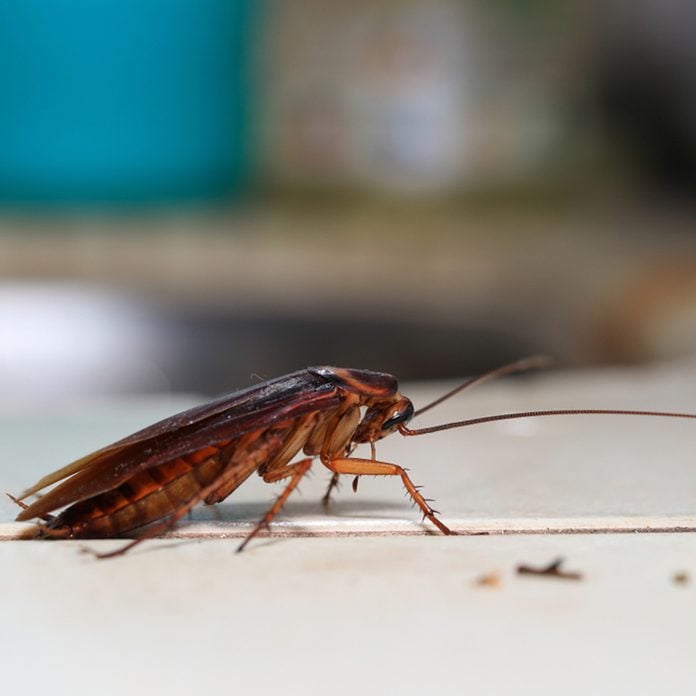
Cockroaches
Cockroaches are notorious for being hard to track down and remove permanently. However, they have a weakness—they only linger in areas rich in resources. Learn how to get rid of cockroaches and shut down their food supplies so these house bugs stay gone for good. For prevention, don’t give cockroaches any hiding places to run to when discovered. Most important, remove any debris or unnecessary supplies from your house. That includes stacks of cardboard, magazines, and newspapers, which cockroaches love. Try to keep everything off the floor unless it is absolutely necessary to store it there.
15
/
16
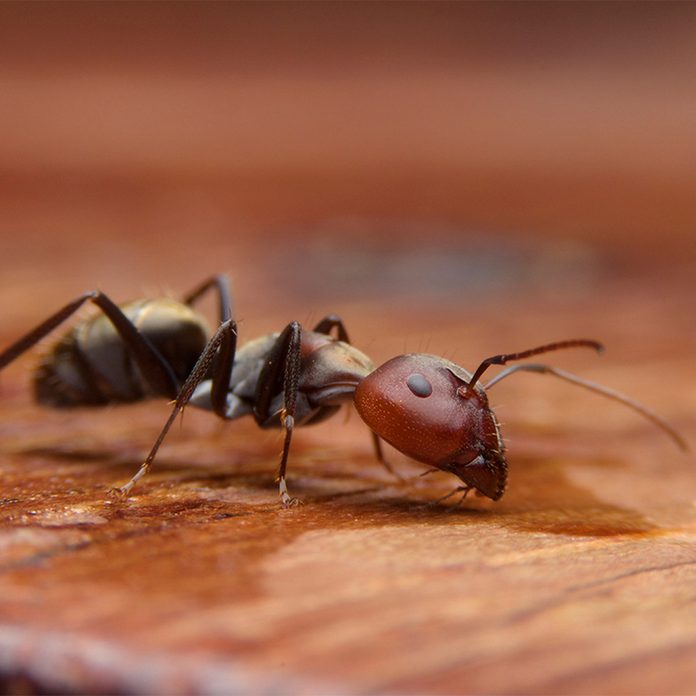
Ants
When you see an ant, your first impulse is probably to step on it. But don’t. You’ll kill it, but for every ant you see, there may be hundreds more hiding in the house. The ones you see are scout ants, foraging for food to take back to the colony. Use these scouts to wipe out the entire colony of house bugs.
16
/
16

Ticks
These pests are dangerous to humans and pets, as they can carry diseases. In order to avoid ticks on you and in your house, here’s how to prep your home. If you’ve already got them, the Wondercide Flea and Tick spray will do the job.
