


You know not to feed your dog chocolate, but what happens when your dog becomes curious about some plants in your yard? There are some common flowers, according to the American Society for the Prevention of Cruelty to Animals (ASPCA), that can be extremely dangerous to pets. When it comes to planting your flowers, here are 11 plants to be cautious of if you have pets. If your pet shows any sign of illness or if you believe they have ingested a plant that may be toxic, it's time to call your vet.
11 Common Flowers That are Actually Dangerous for Pets

Updated Jun. 22, 2024
1
/
11

Autumn Crocus
The autumn crocus is toxic to both dogs and cats as it can cause a burning sensation in the mouth, along with vomiting, diarrhea and seizures when ingested. It can also cause liver and kidney damage and even shock. While the entire plant is toxic, it’s the bulbs that have the highest toxicity. These 11 household items are seriously hazardous for pets.
2
/
11
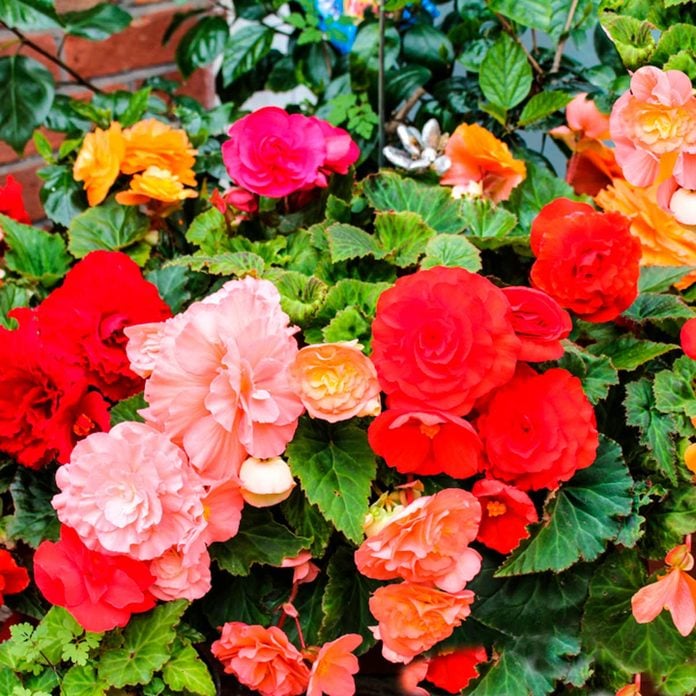
Begonia
Begonias are a popular flower for pots and hanging baskets, but the plant can also cause kidney failure in cats and dogs. The most toxic part of the plant is underground, so if you do choose to have begonias in your yard, keep them out of reach from pets, especially those that like to dig.
3
/
11

Oleander
Popular in the southern part of the United States and California, oleander is very toxic to dogs. The flowering shrub can cause vomiting and bloody diarrhea. In extreme cases, oleander can cause muscle tremors and fatal heart abnormalities. This is the best way to eliminate lawn weeds.
4
/
11
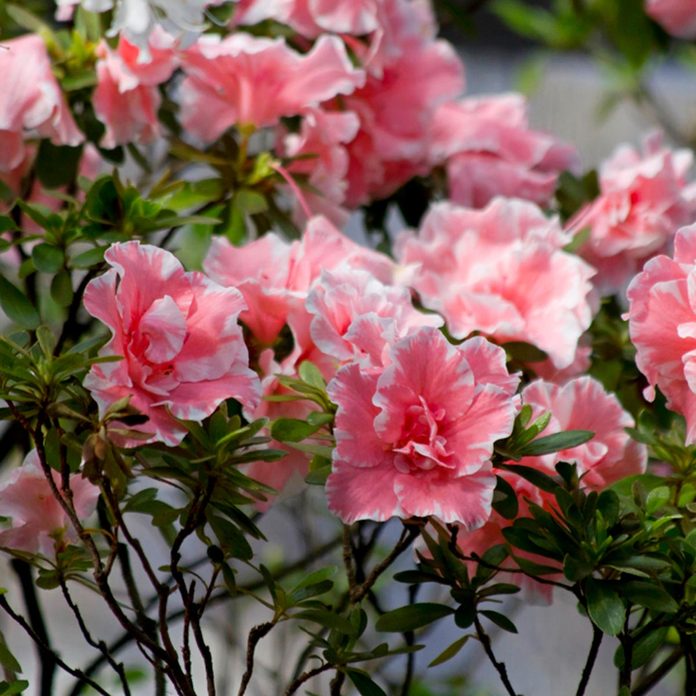
Azalea
When ingested by dogs, azaleas can cause irritation in the mouth followed by vomiting and diarrhea. In some severe cases, dogs can even suffer a drop in blood pressure, go in to a coma and die. Follow these 17 useful tips for pet care and safety.
5
/
11

Morning Glory
Toxic to both cats and dogs, morning glories can cause vomiting. If eaten in large amounts, the plant’s seeds can also cause hallucinations. Keep unwanted critters away with these humane pest control ideas.
6
/
11

Daffodil
A popular sign of spring, daffodils are considered poisons to dogs, although it is the plant’s bulb that is the most toxic. When dogs ingest any part of the plant, it can cause diarrhea and vomiting, along with abdominal pain, convulsions and a drop in blood pressure. These 14 cheap landscaping updates make a big splash.
7
/
11
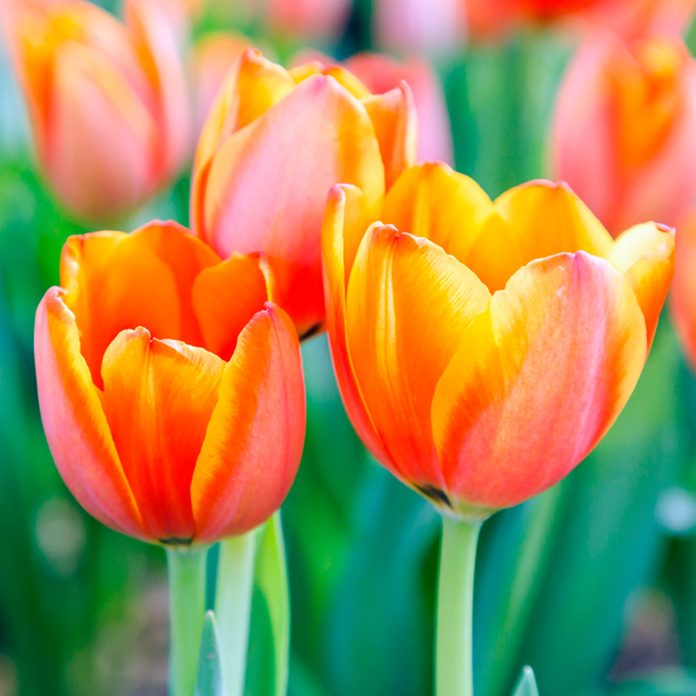
Tulip
Another bulb plant that is toxic to dogs, the tulip can cause nausea and excessive drooling and mouth irritation when ingested. The plant’s bulb is the most toxic. Here are 10 drought-tolerant landscaping ideas to try this year.
8
/
11
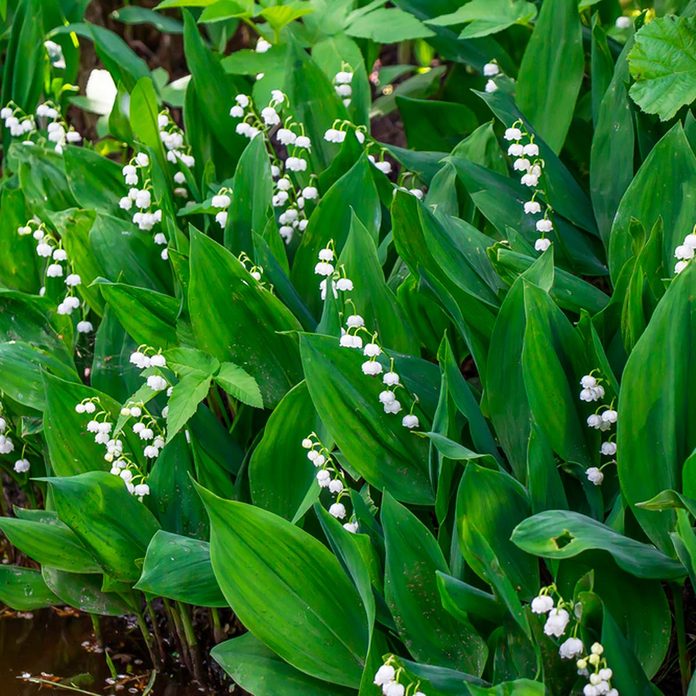
Lily of the Valley
Known as a plant that can tolerate even the toughest conditions, lily of the valley is often used as a ground cover. The plant is toxic to cats and dogs, as it can cause irregular heart beat, disorientation, seizures and even cause pets to go into a coma. You can make these 15 clever pet products at home.
9
/
11
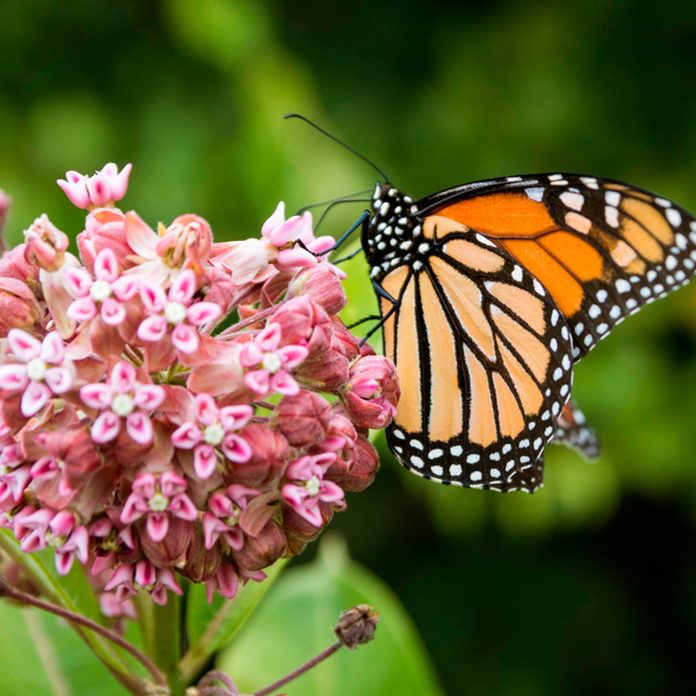
Milkweed
Popular for gardeners who want to attract butterflies to their yard, some species of milkweed can cause problems when ingested by cats and dogs. If you believe your pet may have ingested some milkweed, watch for symptoms of vomiting, diarrhea and weakness. These symptoms may be followed by difficulty breathing, dilated pupils, kidney and liver failure and respiratory paralysis. You need to stop believing these eight fall landscaping myths.
10
/
11
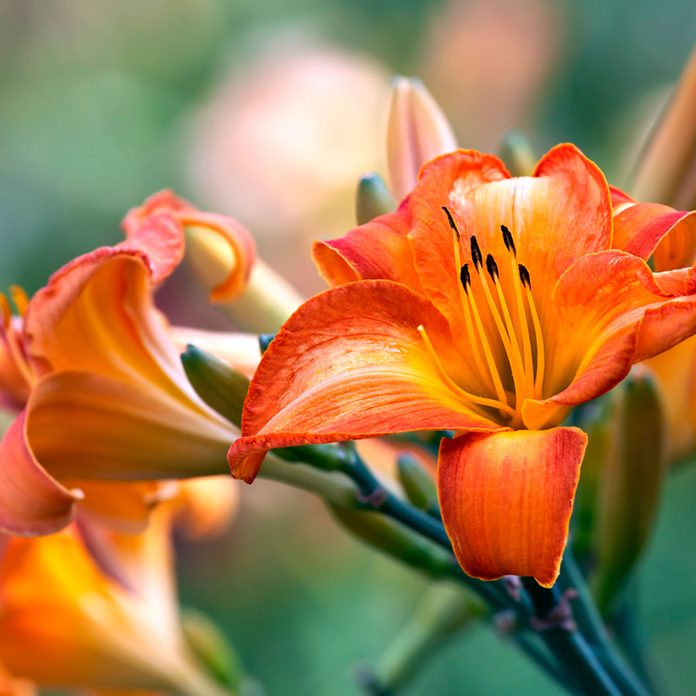
Day Lily
Many varieties of day lilies, are toxic to cats only. When ingested by cats, day lilies can cause vomiting, lethargy, kidney failure and even death. Show your pet some love with these 40 DIY pet projects.
11
/
11
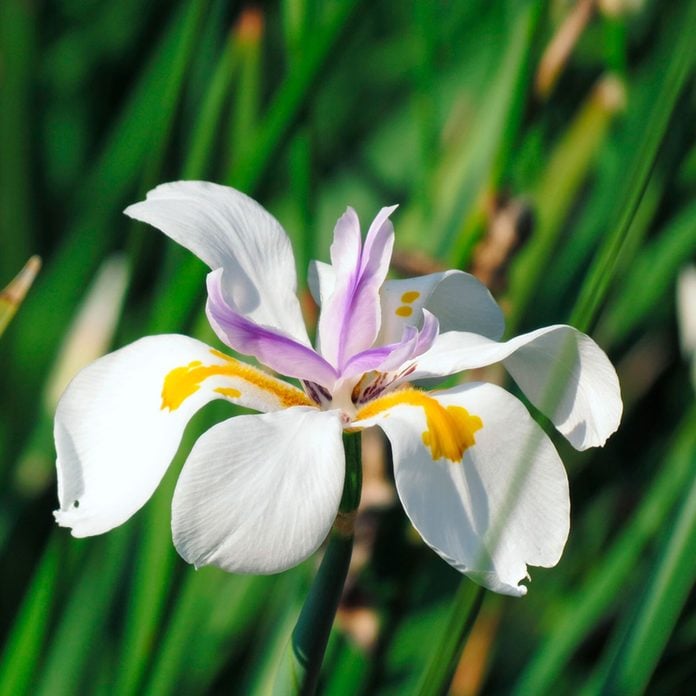
Butterfly Iris
Butterfly iris, which is often used for landscaping in areas with mild winters, is toxic to both cats and dogs. The plant’s highest toxins are found in its rhizomes, which when eaten can cause vomiting, drooling and lethargy. You can grow these nine butterfly flowers from seed.
Originally Published: February 21, 2019

