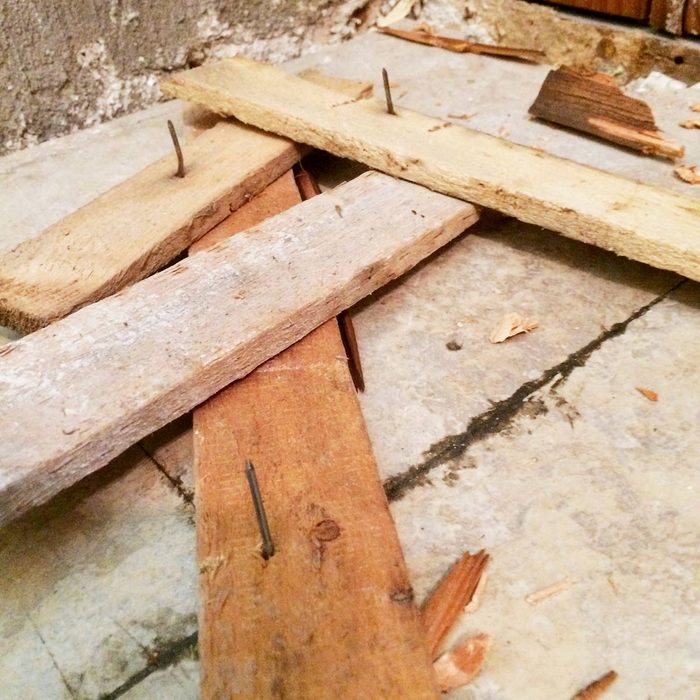
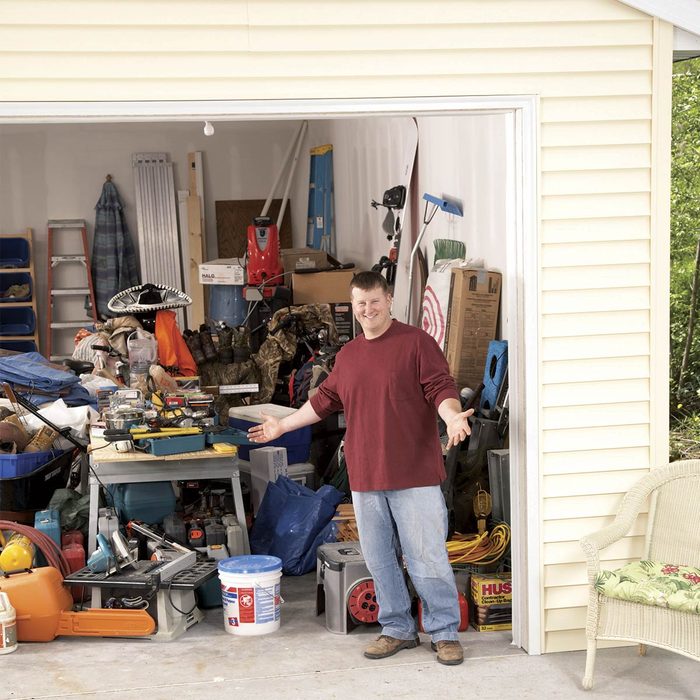
From forgetting safety glasses to botching an easy window AC installation, these bad habits might surprise you.
10 Bad DIY Habits You Need to Stop Doing Immediately

Not Using Proper Safety Gear
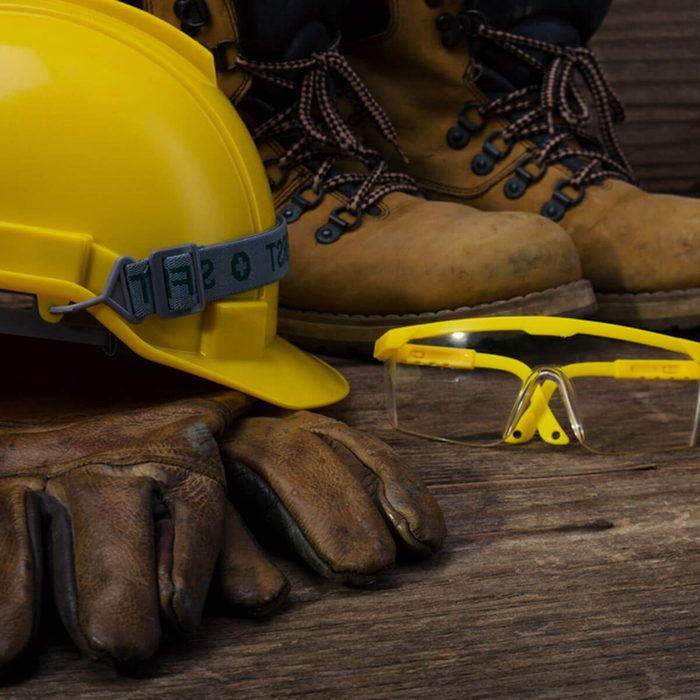
Even if you’re just cutting one board or cleaning out the gutters, neglecting to use proper safety equipment is a bad DIY habit you should stop immediately. Each project will require different safety gear and procedures, so research what you’ll need, like eye protection, hearing protection, gloves, a respirator, room ventilation, non-slip boots, a hard hat, etc.
“With any home repair or renovation project, safety should be the first thing you think about,” says roofing expert Andre Kazimierski. “It can often even be the determining factor of whether you should DIY it all, or hire a professional to do it instead.”

Lack of Preparation
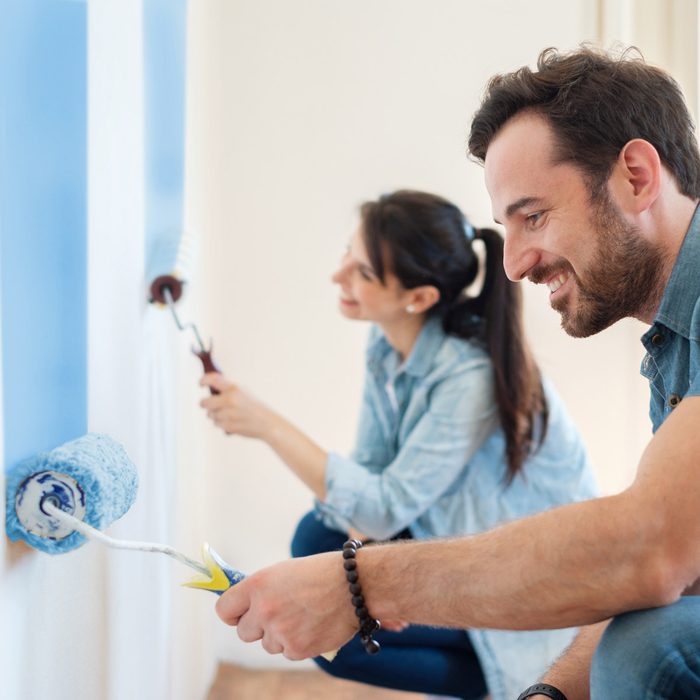
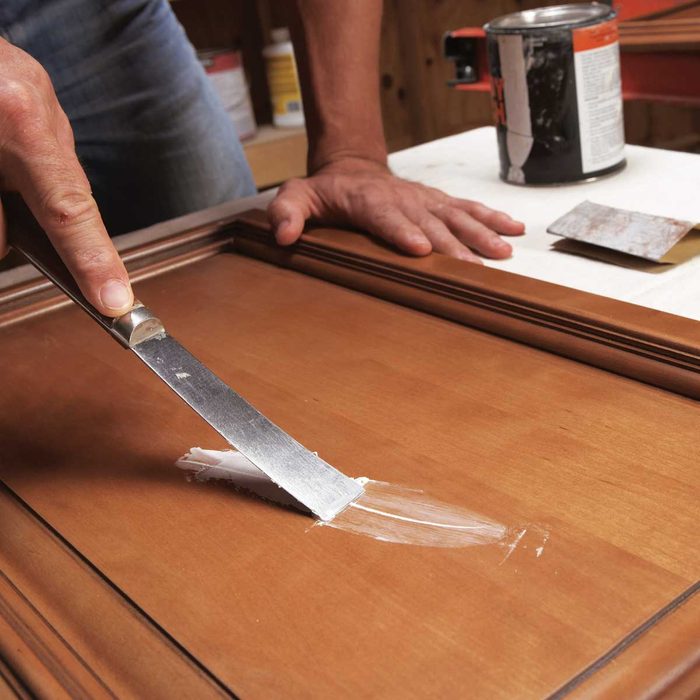
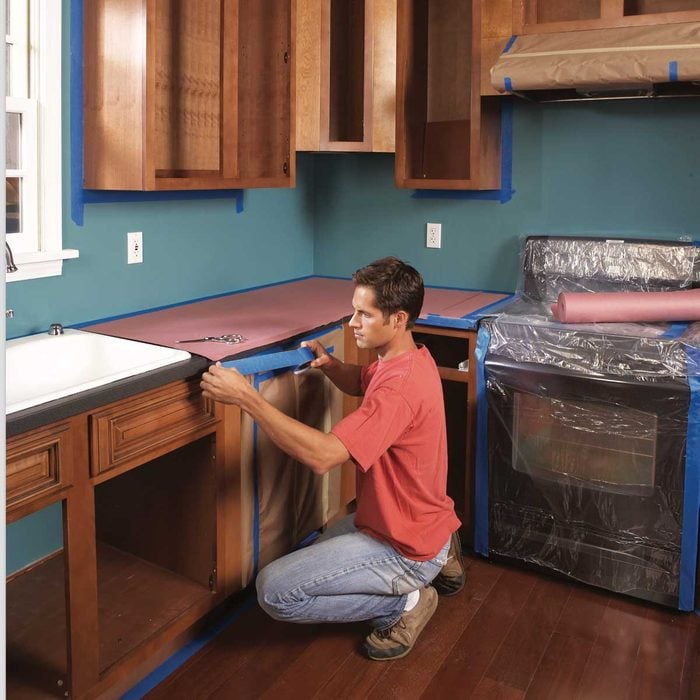
It’s tempting to just jump right into a project, but skipping the prep work will cost you in the long run. For example, when painting, it’s vital to clean the surface well, patch holes and wall imperfections, use tape to create sharp edges and choose the correct primer.
“These bad habits can be mostly superficial, but in the event you’re skipping prep steps like cleaning your surface, that can really start to impact how good your finish looks and how well your paint is going to adhere,” says house painting expert Carr Lanphier.

Eyeballing vs. Measuring
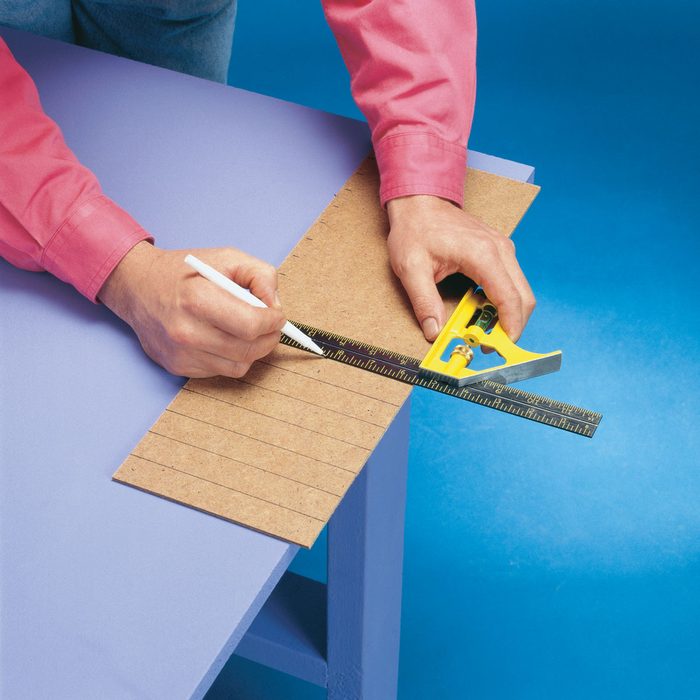
Relying on eyeballed measurements is tempting in order to save time, but it often leads to misaligned shelves and improperly cut materials, not to mention having to spend more time and money to do the job over again.
“There’s a historical phrase, ‘measure twice, cut once,'” says home cleaning expert Scott Schrader. “We want to add to also use a proper level, instead of your eyeball. Just a quarter of an inch off will sabotage a whole room of symmetry!”

Using Cheap Materials and Tools
You don’t have to buy top-shelf, but don’t automatically head to the bottom one. For example, cheap paint and brushes can backfire with streaks and the need to use more paint. Cheap parts can break or malfunction quickly. Cheap tools can also be flimsy and break partway through the job.
“Definitely, I understand the temptation to save money, but inadequate materials and dollar-store tools are usually going to do more damage than good,” says Schrader. “Get yourself to the right tools and you will be a much better worker, plus enjoy doing the work even more.”

DIY Pressure Washing
A common bad DIY habit is turning the pressure washer PSI all the way up, especially when cleaning materials like siding and concrete. Occasionally, high power has its place; however, when using force exceeding 1,000 PSI, incorrect technique can damage surfaces.
“I have seen the worst of it when it comes to DIY pressure washing fails,” says cleaning expert Jamison Jarosz. “Notably, if you directly pressure wash oxidized vinyl siding with high pressure, you will blast off the oxidation layer leaving lines and marks all over the place in areas not directly in the water stream’s path.”

Taking On Too Complex of a Project
If you’re not sure if a DIY project is above your level of expertise, and especially if you risk creating more damage by doing it improperly, consider hiring a pro. Otherwise, the project could quickly get out of hand both with the work and the budget. Also, getting in over your head often leads to unfinished work, which can negate any added value to your home that the project might have had in the first place.

Poor Staining Practices
It seems straightforward enough to put some protective stain on your deck, fence or pergola, but doing it incorrectly it can lead to warping or rot. Wood care expert Caleb Roth says the top offenders are:
- Staining at the wrong time: To avoid warping and cracking, stain new wood projects two to six weeks after construction, while the wood still looks new but has had ample time to dry out.
- Not properly prepping: If you wait too long to stain, you may see black speckles (mold) or green algae, and if you stain over either without a proper cleaning first, it will come back.
- Choosing the wrong stain or sealer: Use solid water-based stains to cover up patchy blemishes on old wood, and use oil-based stains for fences so moisture can escape.

Damaging HVAC Ducts
It’s common to try to DIY a fix for noisy HVAC ducts, like shoving a towel around them or wrapping them. But that can block airflow and cause heat buildup.
“Noise in ducts usually points to airflow or design flaws, not just poor insulation,” says HVAC expert Danny Pen. “You need to identify the source, whether it’s loose dampers, expansion pops or static pressure issues, and use proper duct liner or insulation blankets designed for HVAC use, instead of rugs or towels.”

Closing HVAC Ducts
This isn’t actually a project, but it is a problem: Thanks to some YouTube videos, many DIYers are closing too many air vents in an effort to save energy and money. But this actually increases static pressure, strains the blower and can even damage ductworks and crack the heat exchanger, says Pen.
“Your HVAC system was designed for a certain airflow load and messing with that without recalculating CFM is a bad idea that will cost you more than you ‘saved,'” he says. “For basic fine-tuning, try vent deflectors, not full closure; or for real room-by-room control, zoning systems or ductless mini splits, not hacks that you’ve read about somewhere.”

Window AC installation
Installing a window AC should be an easy DIY project, right? Not necessarily. The key to doing it correctly is to level it, and if you see your unit spitting water, you probably messed up. A pro-tip from Pen: Tilt the unit slightly outward and seal all gaps with foam or weatherstripping to ensure the seal isn’t loose, and no warm air is sneaking in.
About the Experts
- Andre Kazimierski is co-owner and president of HomeHero Roofing, a residential roofing company based in Downers Grove, Illinois.
- Scott Schrader is chief marketing officer at CottageCare, a home cleaning company with over 41 locations nationwide.
- Jamison Jarosz is founder of Arizona Grime in Phoenix, and an expert in pressure washing as well as window and solar panel cleaning.
- Carr Lanphier is CEO of Improovy, a house painting service that connects painting professionals with homeowners.
- Danny Pen is an HVAC expert and president of New Era Plumbing & HVAC in Massachusetts.
- Caleb Roth is CEO of Restorative Industries, a collection of brands dedicated to elevating craftsmanship and education in wood care, including Stain & Seal Supply and the Stain & Seal Experts franchise.
- Scott McGillivray is a triple-threat expert in real estate, renovation, and finance with decades of experience in the field. Best known for the award-winning series Income Property, he is the host of At Home With Family Handyman’s Ask… Scott McGillivray.