

How to Identify and Get Rid of German Cockroaches
Updated: Mar. 03, 2022





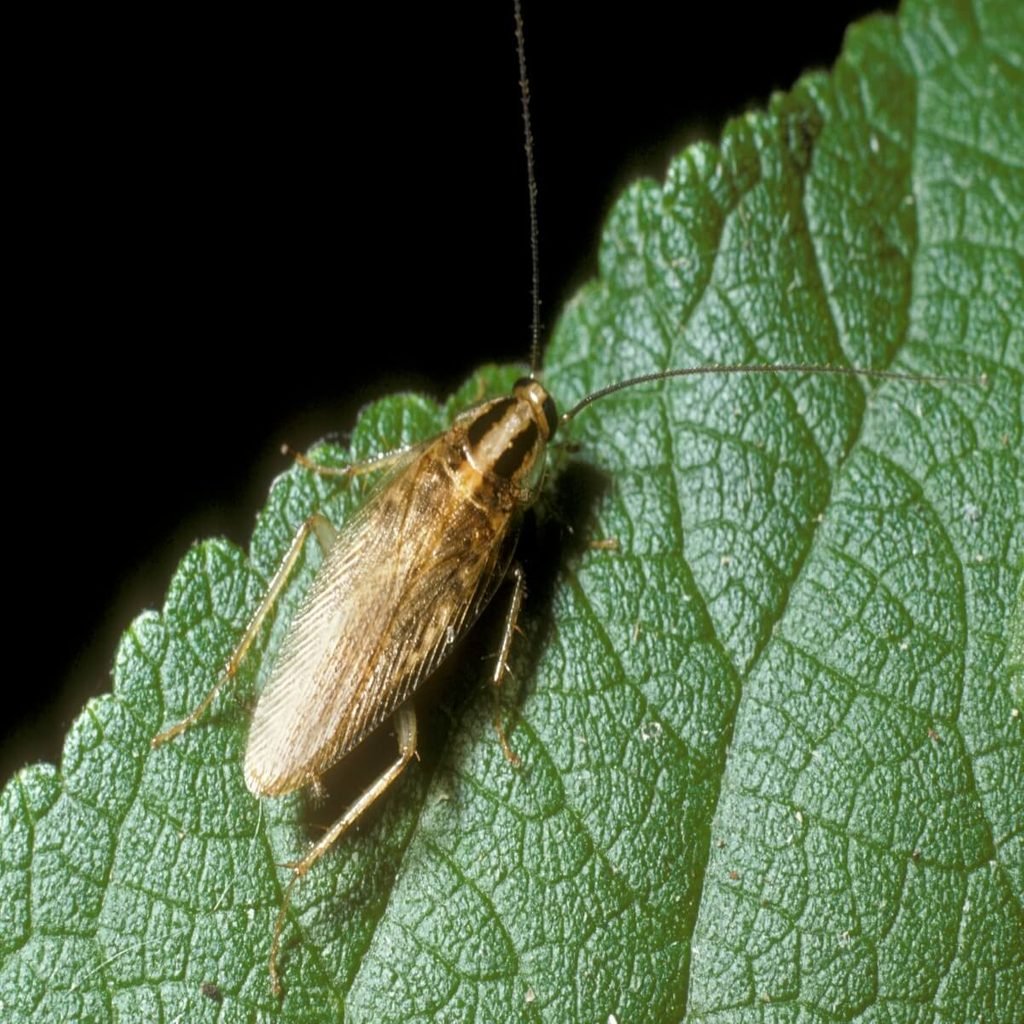
One of the great infesters of houses and businesses, learn how to recognize German cockroaches and how to get rid of them.
If you ever encountered a cockroach in a home or restaurant, there is a good chance it was a German cockroach. Struggling in colder climates, this pest will seek out shelter and quickly infest their safe haven.
On This Page
What are German Cockroaches
The German cockroach (Blattella germanica) is the most common species of cockroach worldwide, taking residence in people’s homes, restaurants, nursing homes and hotels. While initial thoughts assumed this roach is a native to Europe, its close relationship and looks to the Asian cockroach suggests its origins might be of southeast Asia. Quickly reproducing and resilient against pest control methods, the German cockroach is one of the most stubborn and difficult pests to deal with.
What Do German Cockroaches Look Like
Much smaller than the American cockroach, the German cockroach grows to less than an inch long, sporting a light-brownish or tannish coloration. With two black stripes on its back, six legs and a pair of antennas, this roach scurries quickly from to place to place. Although they do have wings, they rarely use them to fly.
German Cockroach Behaviors
Unlike some of their counterparts, German cockroaches prefer living indoors. In warm and tropical areas, they will spend more time outdoors. But with an inability to survive harsh and colder environments, expect to find them near or in human structures to live and reproduce.
Of the different cockroach species, the German cockroach is the truest of scavengers, eating almost anything they can get their metaphorical hands on. This includes things such as soap, booking bindings, glue, toothpaste and pet foods in addition to all foods and crumbs left by people.
German Cockroach Life Cycle
The German cockroach goes through the typical three stages of metamorphosis: egg, nymph and adult. The most troublesome aspect of the German cockroach is their reproductive cycle. The females can produce more than 400 eggs during their lifetime, with their average lifespan only being three to six months.
With such a short lifespan, infestations grow quickly since the German cockroach can go from egg to adult in less than ninety days. With females reproducing often and in large amounts, along with a fast metamorphosis, the German cockroach can cause more problems for people than any other roach.
Signs of German Cockroaches
As German cockroaches are most likely to be found indoors, these signs will help guide whether they have penetrated your establishment.
- Visual: If you see a cockroach flashing around food or water sources, there most likely are more around.
- Droppings: German cockroaches leave small, brownish drops of stool where they eat and live.
- Eggs: Females will carry around the egg cases a few days after birth, thus leaving behind these cases where they frequent.
- Odor: German cockroaches leave a musty smell where populations congregate.
How to Get Rid of German Cockroaches
German cockroaches are commonly found indoors in warm and moist places with a consistent food source. Kitchens, bathrooms and basements are their favorites, hiding out in drains, cabinets and appliances.
Because they thrive in dirty, moist locations, the first step to getting rid of and preventing German cockroaches is good sanitation. There are many ways to kill cockroaches: traps, baits, gels, powders and natural solutions.
With their quick and efficient reproductive cycles, the German cockroach is difficult to control. It only takes a few surviving eggs to replenish an infestation.
If your efforts appear unsuccessful, consult with a professional exterminator to provide a plan and solutions unique to your home or business.
German Cockroach Safety
The dirty habits of the German cockroach make them a particular issue for homes and businesses. Their eating habits can contaminate food. Their droppings and pheromones can cause allergy and asthma problems. And they can leave behind bacteria and pathogens harmful to people. The dangers cockroaches can create demand immediate and deliberate action.
Additional Cockroach Resources
For more information about cockroaches and what it means when you find this pest in your home or business, check out these pest control articles.
- Types of Cockroaches
- American Cockroach
- German Cockroach
- Oriental Cockroach
- Smokybrown Cockroach
- Brown-Banded Cockroach
- Florida Woods Cockroach
- Pennsylvania Wood Cockroach
- Asian Cockroach
- Australian Cockroach
- Madagascar Hissing Cockroach
- Flying Cockroaches
Sources
- https://www.epa.gov/managing-pests-schools/cockroaches-and-schools
- https://extension.umn.edu/insects-infest-homes/cockroaches#german-cockroach-137710
