

What to Do If Your Car Won’t Start
Updated: Apr. 19, 2024





Before you call a tow truck, it's worth trying a few of these tips to get your car up and running.
Most people don’t keep a set of mechanic’s tools in their trunk. So when your car won’t start and you get stranded with a dead engine, you feel pretty helpless. But don’t give up right away if your car will not start. We’ve compiled a list of tricks you can try when your car won’t start, and none of them require tools. They’re arranged by symptom, and you’ve got nothing to lose by trying them if the car cranks but won’t start. Of course, they won’t fix the root problem, but one of them just might get the engine started so you can head to the nearest mechanic to have the problem fixed. Here are some things to try if your car won’t turn over.
On This Page
If the Car Clicks When Trying to Start
If the car clicks when trying to start, but still won’t start, this can be caused by a weak battery, dirty battery terminals, a worn starter motor or a stuck solenoid. If might just need a jump start, but there are a few tricks to try before breaking out the jumper cables or electric jump starter.
Try Cycling the Key
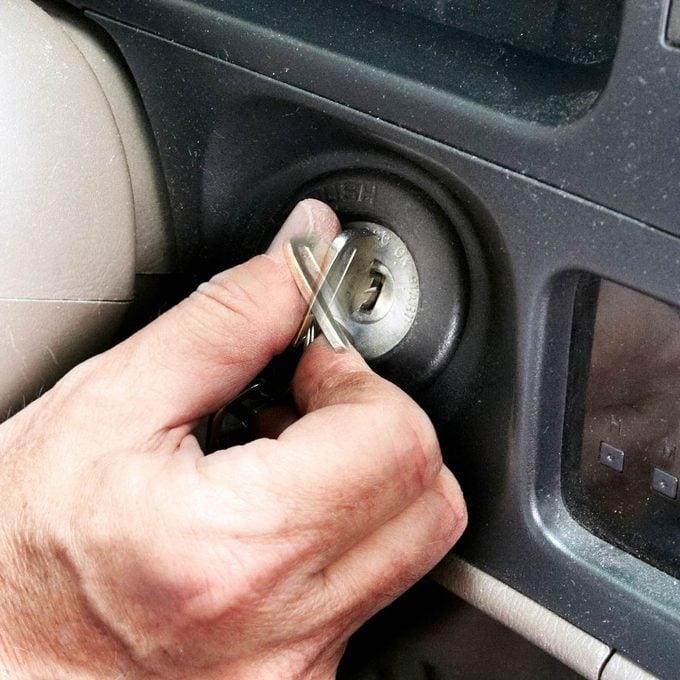
If your car turns on but won’t start, turn on the dome light and watch it while you try to start the engine. If the light goes out, it’s a sign the battery is really weak—almost dead. To heat up the battery, terminals and starter, try the key cycling trick. The trick is to turn the key to the start position repeatedly about 10 times in a row. Stop and wait five minutes. Then try to start the engine. But if the dome light stayed bright when you turned the key, move on to the next trick if your car won’t start.
Try Tapping on the Battery Terminals
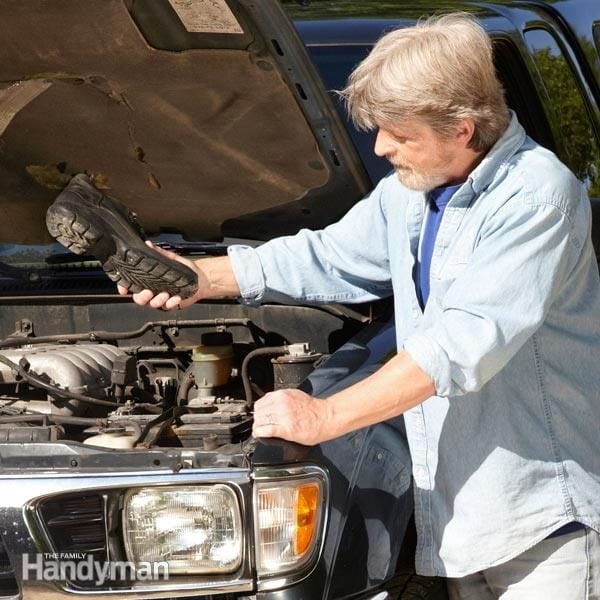
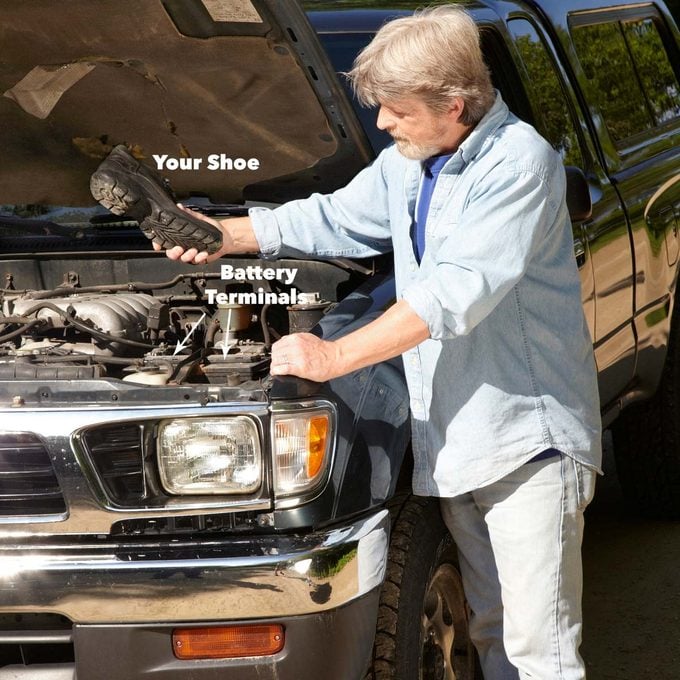
There’s no way to clean corroded battery terminals when you’re stranded without tools. But you can try to move or at least jar the terminals enough to make better contact. Smack each battery terminal with the heel of a shoe to rotate it slightly around the battery post if the car will not start. Then try starting the engine.
Try Tapping the Starter
If you have access to the starter motor, try hitting it with the tire iron from your car jack. Sometimes, the electrical contacts get stuck and can be freed by tapping on them.
If There’s No Click When You Turn the Key
Try Shifting the Shifter
With your foot on the brake, move the shift lever to the neutral position and try starting the engine. If that doesn’t work, move it back to park and try it again. Moving the shifter sometimes reestablishes electrical contact inside the transmission range selector (also known as the neutral safety switch).
If the Engine Cranks But Won’t Fire Up
Here are a few tricks to try if the engine cranks but the car won’t start.
Try Swapping Relays
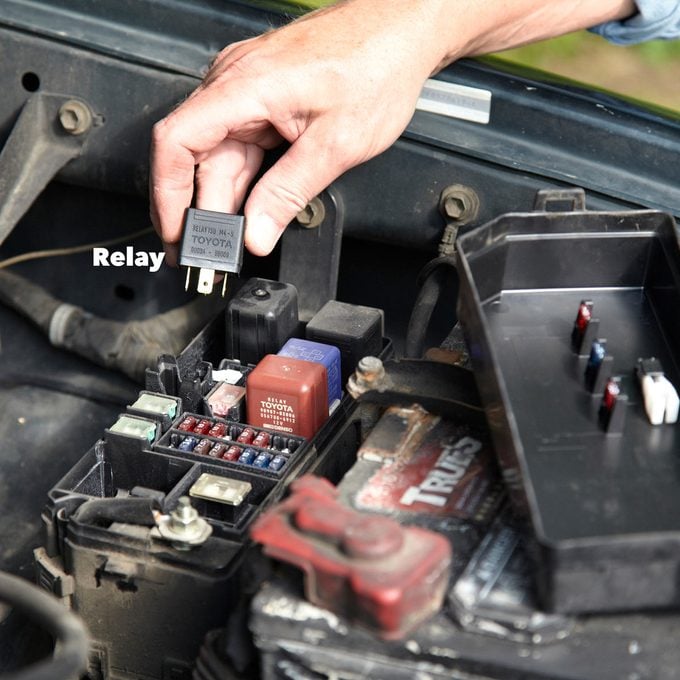
With the radio off, turn the key to the run position and listen for a two-second buzzing sound. That’s the fuel pump priming the injection system. If you don’t hear any sound, the fuel pump relay may be bad or the pump may be on its last legs.
First, find the location of the fuel pump relay in your owner’s manual or on the legend for the under-hood fuse box cover. Yank the fuel pump relay straight up. Then locate another relay with the same part number and swap it with the fuel pump. Push it straight into the socket. Try starting the engine afterward.
Try Smacking the Fuel Tank
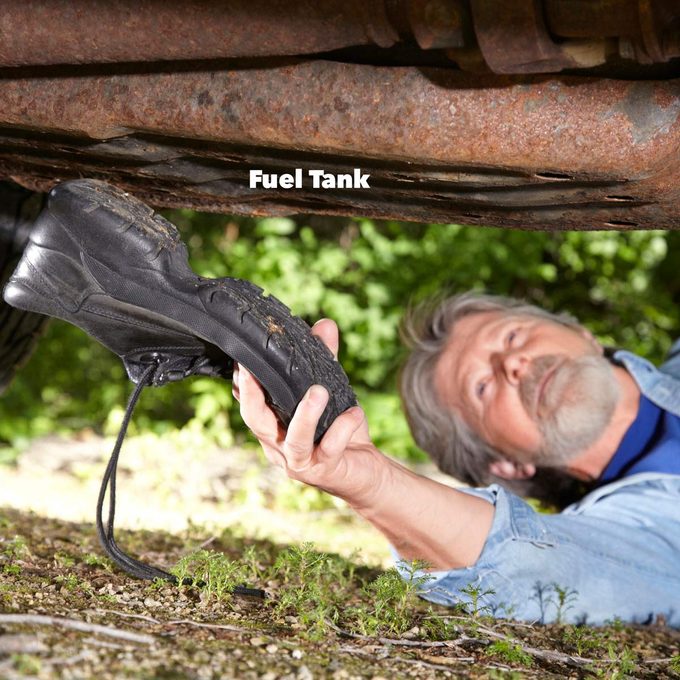
If your car won’t start, hit the bottom of the fuel tank several times with the heel of your shoe to jar the fuel pump motor. Then try starting the vehicle.
Try Un-flooding a flooded engine
If you smell gas, the engine is flooded. Press the accelerator pedal to the floor and hold it there while you crank the engine.
Try Tricking the computer
A vacuum leak or funky temperature sensor can result in an air/fuel mixture that’s too lean to start a cold engine. If you’ve tried all the other tricks shown here and your car won’t start, press the accelerator halfway and try to start the engine. That’ll tell the computer to add more fuel.
