

10 Easy DIY Curb Appeal Ideas
Updated: Apr. 09, 2024





These small, inexpensive DIY projects for your yard and home can offer a dramatic upgrade in curb appeal.
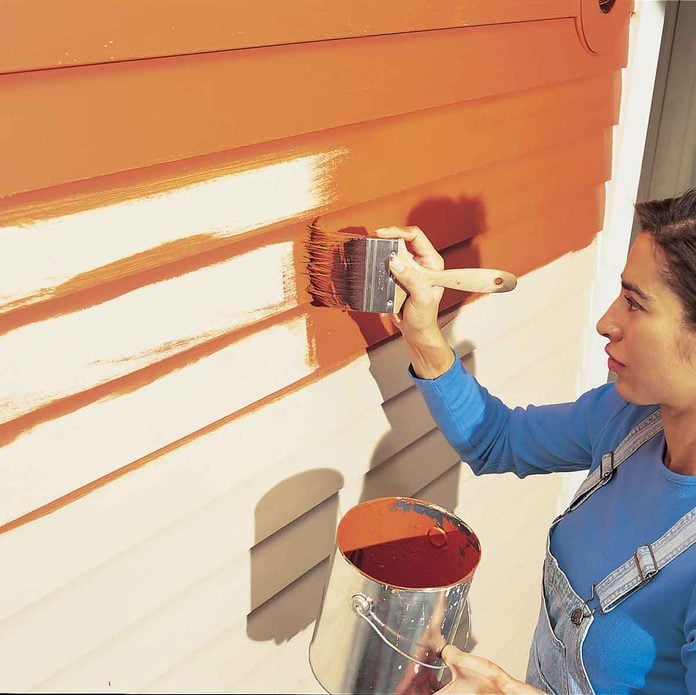
Painting Projects
A little paint makes a huge impact, and it’s one of the easiest and most cost effective DIY projects you can do. It could be as simple as painting your front door. It’s often a focal point, and painting it the right color can even add to the value of your home. Another project to consider is painting the trim on your house. You’ll need to choose exterior trim paint for that project, and there’s also some work that goes into preparing trim for paint, but it’s not at all difficult.
For the really ambitious, painting the entire exterior of your home is another option. It is a big job, but one that can be very worthwhile. Just remember to take the proper steps to prepare your house for painting and put some research into choosing the right color. Top-notch paint costs only a few dollars more per gallon, but it’s a smart investment. It will cover better, go on smoother and last longer than the cheap stuff.
A few rules of thumb: If you want a small house to look larger, paint it white. If your house is a mishmash of styles or has sagging soffits or other flaws, paint everything the same color to help visually unify the house. Several paint manufacturers market computer software that allows you to mock up different paint color schemes on a digital image of your house, or a house close in style supplied by the program.
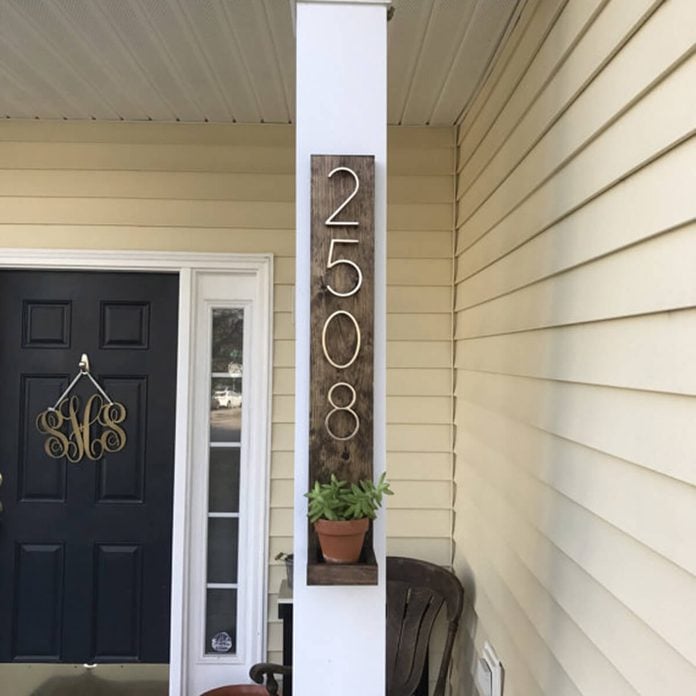
Install New House Numbers
Updated house numbers add polish and shine. Replace shabby or dated numbers with ones made of brass, aluminum or stainless steel. They’ll look best if the finish matches the light fixture and door hardware. Buy individual numbers or custom plaques. You can buy DIY address plaque kits from home centers, hardware stores and online retailers.
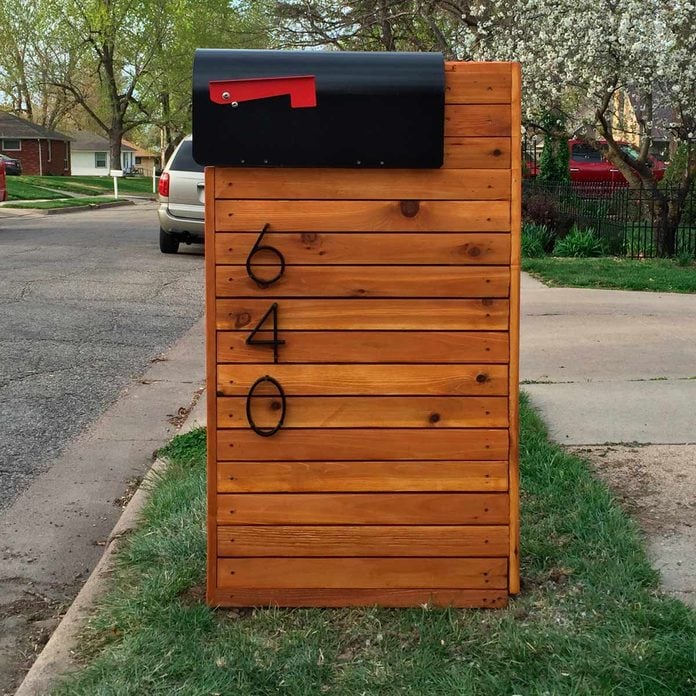
Upgrade Your Mailbox
Whether you have a box mounted to the house, a letter slot next to the door or a freestanding box on a post near the street, a new mailbox can add a splash of curb appeal.
Purchase an approved mailbox and follow regulations regarding height. Curbside mailboxes must be mounted so bottoms are 42 to 48 inches above the ground. And remember: Hanging plants and flowers growing around a mailbox may increase curb appeal, but the bees and other stinging insects these plants attract aren’t always your mail carrier’s best friend.
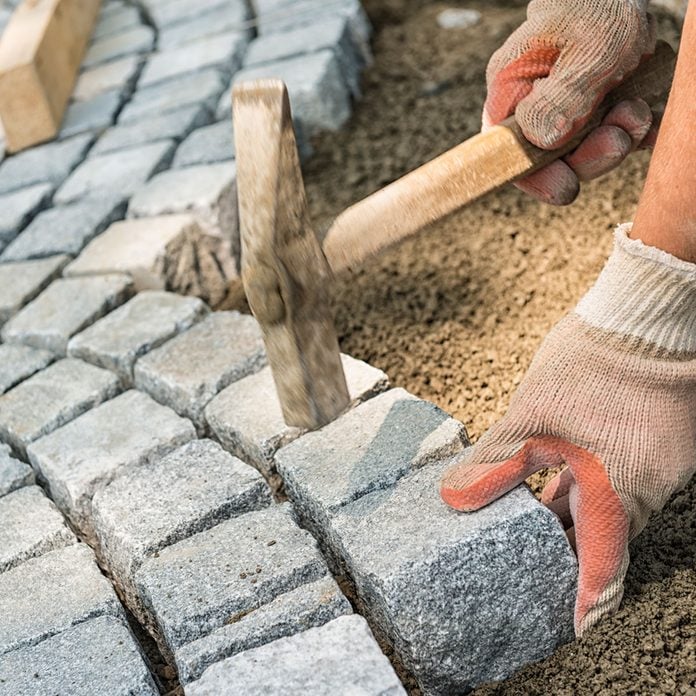
Line a Walkway With Bricks or Pavers
Is your concrete walkway in decent but boring shape? Adding color, texture and width to an existing walkway by lining it with pavers is a whole lot easier and cheaper than replacing it.
Stone, clay and concrete pavers are all good choices. The basic procedure involves digging a trench one paver wide along the walkway, leveling in a bed of sand or pea gravel, then setting and tamping pavers so they’re flush with the top of the walkway. A simple garden path with gravel, mulch or other materials is another easy, affordable option.
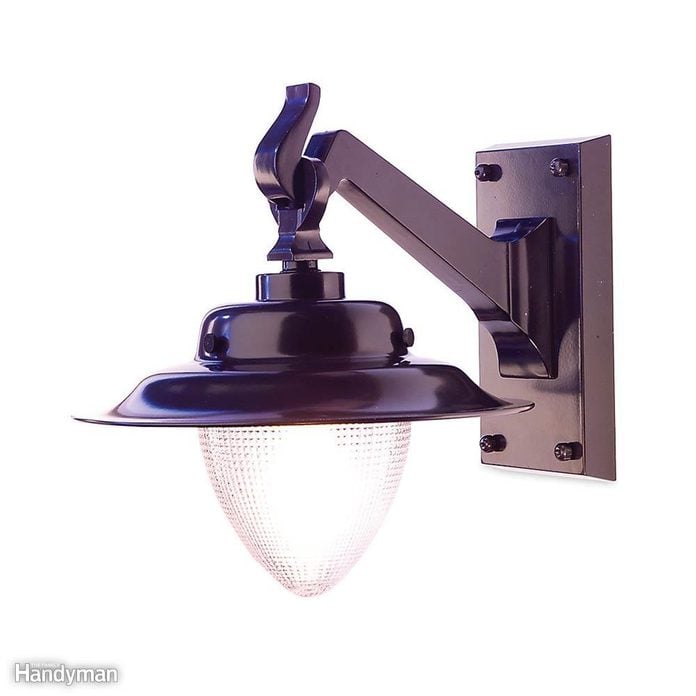
Replace a Light Fixture
Consider function as well as style when selecting a fixture. It should light up your steps, house numbers and door without being too dominant.
To simplify the project, buy a fixture that has the same mounting system or screw spacing as the existing fixture. Make certain the power is off and the new fixture is rated for exterior use before installing it. Some sconce-style lights are available with unobtrusive, built-in motion detectors.
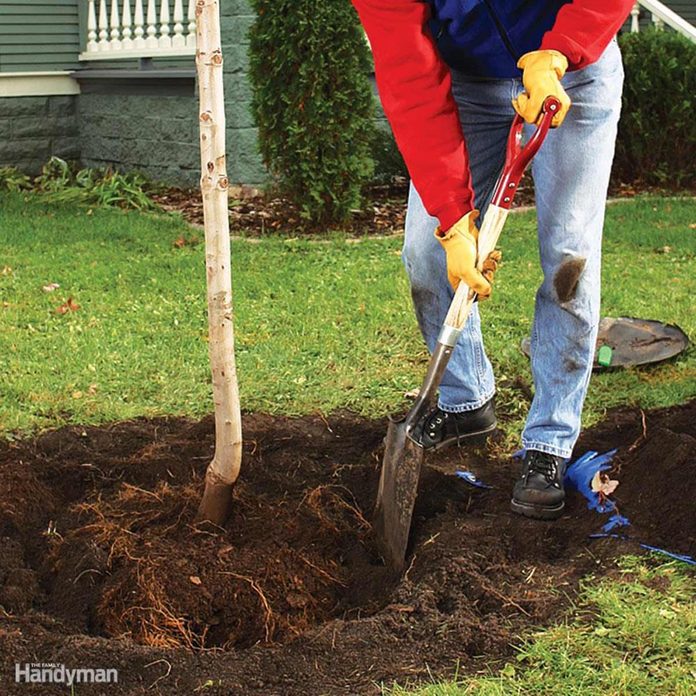
Plant a Tree
Plant a young tree now, and before long your investment will add valuable curb appeal to your property.
Before planting, consider how large the tree’s root systems will be when it’s fully grown, and choose a species recommended for your area. Your local extension service can provide a list of the best trees for your region. And as always, before you dig, make sure to call 811 so someone comes out to mark the underground utility lines.
Read more tips for trouble-free tree planting here. Shade trees can be especially nice in the backyard.
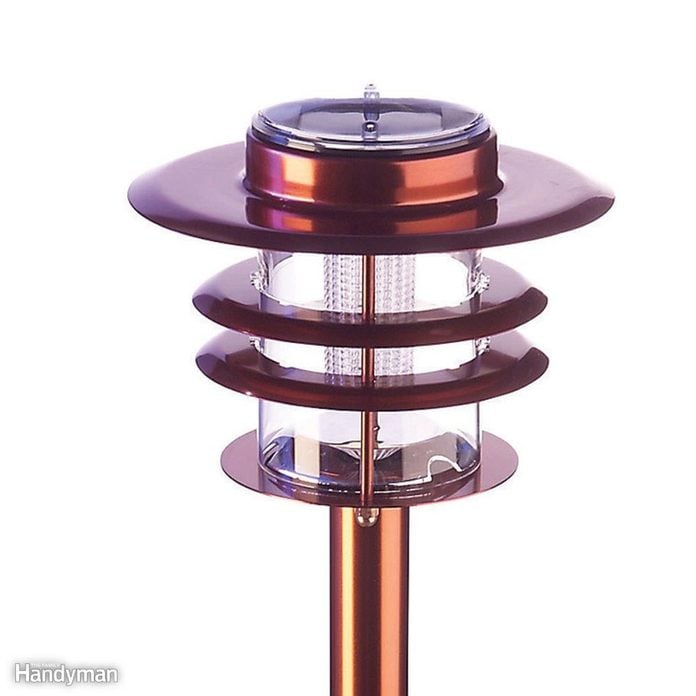
Add Low-Voltage Lighting
Low-voltage lighting can dramatically improve your home’s nighttime curb appeal. Lighting walkways and dark corners can improve safety and security as well. Lighting can be grouped into three basic categories: downlights, uplights and specialty lights. Buy a transformer that includes a timer or light sensor so the lights automatically turn on and off.
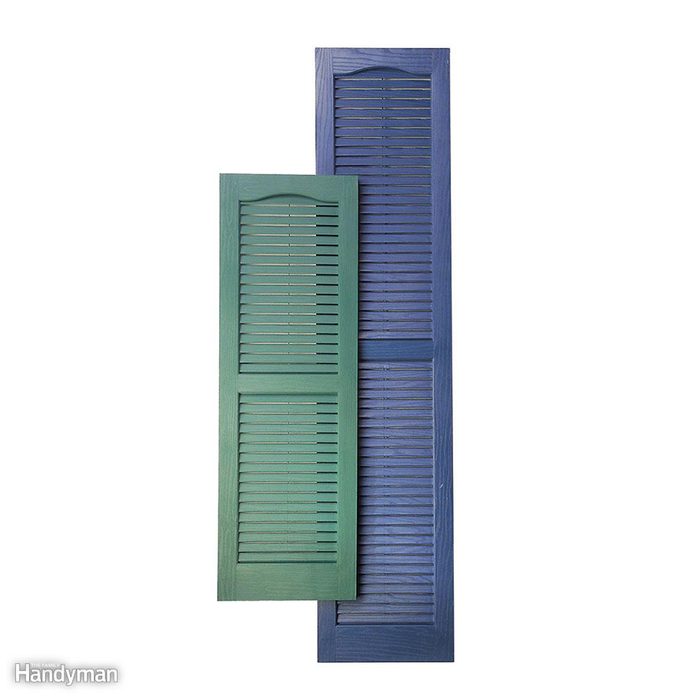
Install Shutters
Decorative shutters can add color, quaintness and depth to a house (as do window boxes). Shutters with louvers or raised panels have a traditional look; those with decorative cutouts have more of a cottage or country feel.
For an authentic look, mount wood shutters using special shutter hinges and keep them pinned against the house with old fashioned shutter dogs. Shutter clips are available for “invisibly” mounting vinyl shutters. Some shutters are even helpful in events of severe weather.
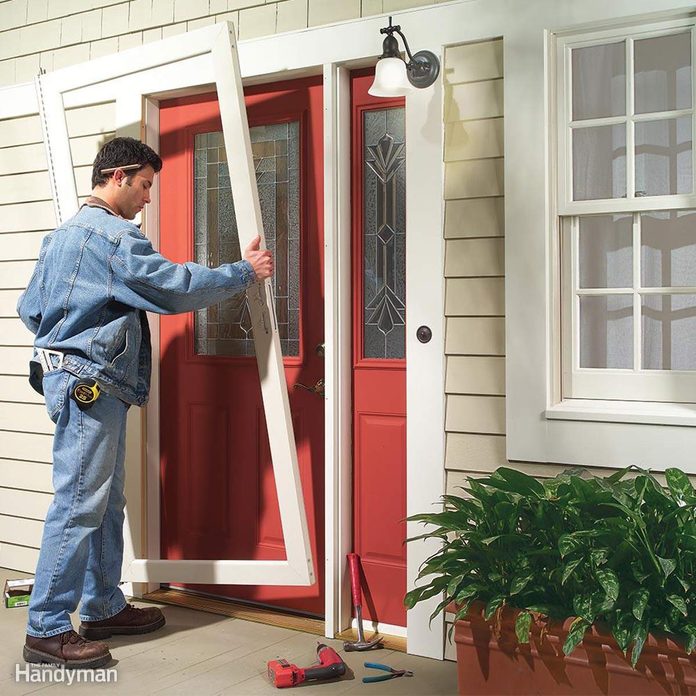
Install a New Storm Door
Even if your primary door remains the same, a storm door with an oval window or decorative glass can act as a great cover-up, adding security and increasing your home’s energy efficiency.
Self-storing units with glass and screen panels that can be adjusted in tracks according to season are the most convenient. Those with interchangeable screens and storm panels offer a cleaner, uninterrupted look, but require a safe place to store the unused panel. Replacing a storm door can be quick, and adjusting it is a snap.
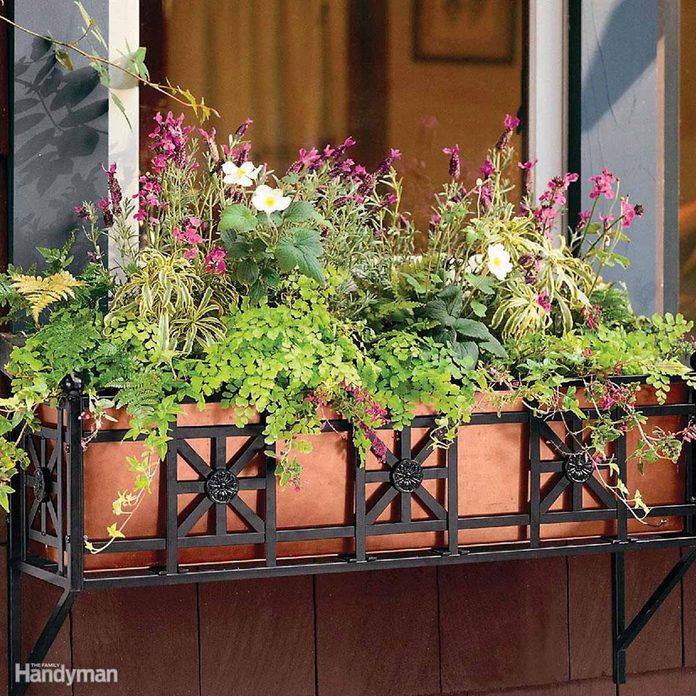
Install Flower Boxes
Few projects add as much charm and color to a house as flowers in window boxes. Build your window box or buy one from a garden center. These work best when mounted below double-hung, slide-by or stationary windows. Casement and other swing-out window sashes will decapitate the flowers.
Use a plastic liner to prolong the life of the planter and simplify fall cleanup. Easier yet, arrange container gardens in pots and planters on the front stoop or along the walkway. Too busy to water all the time? Check out these suggestions on creating a self-watering planter.
